Coronavirus, respiratory disease, and nasal lavage
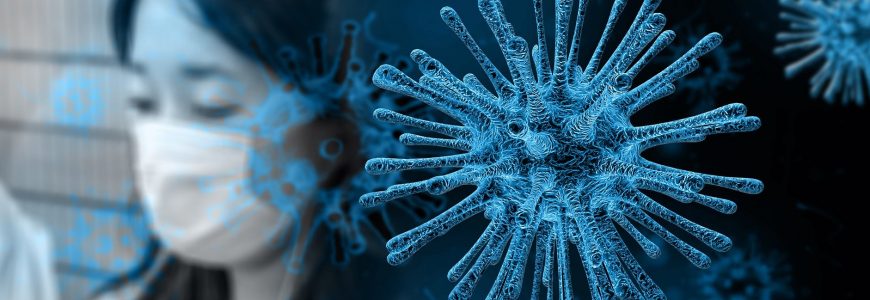
Pediatricians and pulmonologists Silvestre, former head physician at the Pediatric Hospital of Pescara, and Cutrera (Bambino Gesù Pediatric Hospital in Rome and president of SIMRI) explain some important aspects of respiratory diseases such as COVID-19, which originated from the coronavirus strain discovered in 2019 (SARS-CoV-2), which has now spread worldwide and has been classified by the World Health Organization (WHO) as a pandemic in all respects.
SARS-CoV-2 coronavirus and COVID-19
In an interview given a few days ago, Dr. Silvestre told us that the infection, especially in children, is causing alarm among parents who are concerned about their children's health. Dr. Silvestre then told us that:
Therefore, it is necessary for all of us, each in our own field, to keep up to date with the various etiological, clinical, and therapeutic aspects, as well as the precautionary measures to be taken, in order to adopt a more appropriate approach to this highly contagious disease and to offer a valid contribution to the numerous telephone and verbal requests that are currently being addressed to us pediatricians.
In Italy, we are also witnessing the spread of a flu-like syndrome caused by the new coronavirus. It is possible that there are other cases in Italy that have not yet been diagnosed simply because the disease, in most cases, especially in children, is mild and has few symptoms, so much so that it goes unnoticed. The increase in the number of positive cases, in addition to the natural possible spread, is linked to the search for patients who, a month ago, were diagnosed with a common "flu-like syndrome." It is clear that the number of cases will increase not only as a result of the spread but also thanks to the performance of diagnostic tests and active backward tracing of patients' contacts and movements. We will be dealing with this virus for some time, and in order to tackle it in the most appropriate way, we must avoid spreading false information that frightens the most vulnerable people and the parents of young patients. I am convinced that the virus will spread around the world fairly quickly because there are so many of us and the virus will find many organisms that are excellent sites for it to multiply. However, this does not have any adverse clinical significance in terms of possible severe forms. On the contrary, as it passes from one person to another, COVID-19 will become weaker and weaker due to a loss of virulence.
Coronavirus, COVID-19, and children
On children and young people affected by coronavirus, Silvestre adds:
As of today (editor's note: March 3, 2020), there are eight minors in Italy who have tested positive for coronavirus: seven in Lombardy and one in Veneto. Their ages range from 4 to 15 years old. What they have in common is that none of them are in serious condition; in fact, two have already been discharged. Worldwide, however, the literature shows that none of the deaths that have occurred involve children.
The data we have available today comes from the Chinese experience, from the Chinese Journal of Epidemiology. Children seem to be much less affected, with very mild forms and no adverse outcomes. It is not clear why this is the case. It could be due to the fact that there are types of coronavirus that children have already experienced and which are the most frequent cause of colds, and that children have therefore already developed immune defenses which, although not specific, protect them from COVID-19. Furthermore, viruses prefer certain age groups over others, depending on specific structural conditions. For example, respiratory syncytial virus (RSV) affects the respiratory system of children under one year of age, causing bronchiolitis, which can even be fatal in very young children, while in adults it does not even cause a cold.
This new virus does not seem to selectively target children, and adequate precautions may be sufficient to avoid it. There is no need for masks or expensive disinfectants; precautions such as washing your hands thoroughly with soap and water for about 30 seconds, a healthy lifestyle, a proper diet with seasonal fruits and fresh vegetables, and good hydration are sufficient. We do not currently have a specific treatment because it is a new virus; the only way to protect yourself is to avoid contact with it, and if necessary, the national health authorities will decide on drastic precautionary measures. Closing schools, as is already happening in the affected areas, is appropriate and adequate, but it is not appropriate to take inappropriate individual initiatives such as keeping children at home and not allowing them to attend school. "The closure of schools, the suspension of sporting activities, and the search for masks and disinfectants can impact the balance of a family." It is therefore essential to obtain information from reliable sources, prevent overexposure to news about the coronavirus, provide a space for dialogue, listen to questions, acknowledge any fears, and use appropriate words to explain its characteristics.
VIDEO – Interview with Dr. Silvestre on respiratory infections, coronavirus, and nasal rinses
What is a coronavirus?
Coronaviruses are a large family of viruses known to cause illnesses ranging from the common cold to more serious diseases such as Middle East Respiratory Syndrome (MERS) and Severe Acute Respiratory Syndrome (SARS). They are positive-strand RNA viruses, with a crown-like appearance when viewed under an electron microscope. Coronaviruses were identified in the mid-1960s and are known to infect humans and certain animals (including birds and mammals). The primary target cells are epithelial cells in the respiratory and gastrointestinal tracts.
What is COVID-19?
The disease caused by the new coronavirus has been named "COVID-19" (where "CO" stands for corona, "VI" for virus, "D" for disease, and "19" indicates the year in which it appeared). This was announced on February 11, 2020, during a press briefing held during a break in the extraordinary forum dedicated to the virus, by WHO Director-General Tedros Adhanom Ghebreyesus.
Is the new coronavirus the same as SARS?
No. The new coronavirus (now called SARS-CoV-2 and previously called 2019-nCoV) belongs to the same family of viruses as Severe Acute Respiratory Syndrome (SARS), but it is not the same virus. The new coronavirus is responsible for the respiratory disease now called COVID-19.
What are the symptoms of a child infected with Coronavirus?
The most common symptoms include fever, rhinitis, cough, and breathing difficulties. In severe cases, the infection can cause pneumonia, severe acute respiratory syndrome, kidney failure, and even death in elderly individuals with serious medical conditions.
How dangerous is the new virus for children compared to adults?
Like other respiratory diseases, infection with the new coronavirus can cause mild symptoms such as a cold, sore throat, cough, and fever, or more severe symptoms such as pneumonia and breathing difficulties. It rarely has a fatal outcome in children, but the risk is higher for people over the age of 70/80.
Symptoms are generally mild and slow to develop. Some children become infected but do not develop symptoms or feel unwell. Most people (around 80%) recover from the disease without needing special treatment. Approximately 1 in 6 adults with COVID-19 become seriously ill and develop breathing difficulties. In particular, research shows that 80.9% of infections are classified as mild, 13.8% as severe, and only 4.7% as critical.
The highest mortality rate is among people aged 80 and over (14.8% of cases), while there have been no deaths among children up to the age of 9. Up to the age of 39, the mortality rate remains low (0.2%) and then gradually increases with age: between 40 and 49 years of age, the mortality rate is 0.4 percent, between 50 and 59 it is 1.3 percent, rising to 3.6 percent between 60 and 69 years of age, and 8 percent from 70 years of age onwards. Patients with cardiovascular disease are more likely to die from complications of the new coronavirus, followed by those with diabetes, chronic respiratory disease, and hypertension. (Source: WHO)
What is the difference between the symptoms of the flu, a common cold, and the new coronavirus?
The symptoms are similar and consist of cough, fever, and cold. However, they are caused by different viruses, so if Coronavirus is suspected, laboratory tests must be carried out, if the doctor deems it necessary, to confirm the diagnosis.
Can coronaviruses and the new coronavirus be transmitted from person to person?
Yes, some coronaviruses can be transmitted from person to person, usually after close contact with an infected patient, for example among family members or in healthcare settings. The new coronavirus responsible for the respiratory disease COVID-19 can also be transmitted from person to person through close contact with an infected case.
How is the new coronavirus transmitted?
The new coronavirus is a respiratory virus that spreads mainly through close contact with an infected person. The primary route of transmission is through droplets from the breath of infected people, for example through:
- saliva, coughing, and sneezing
- direct personal contacts
- hands, for example by touching your mouth, nose, or eyes with contaminated (unwashed) hands
- In rare cases, infection can occur through fecal contamination.
- Respiratory diseases are not normally transmitted through food, which must in any case be handled in accordance with good hygiene practices and avoiding contact between raw and cooked foods.
- Studies are underway to better understand how the virus is transmitted.
What is the definition of close contact? (source: ECDC)
- Healthcare worker or other person involved in the care of a suspected or confirmed case of COVID-19, or laboratory staff handling SARS-CoV-2 samples.
- Having been in close contact (face to face) or in the same enclosed environment with a suspected or confirmed case of COVID-19.
- Living in the same household as a suspected or confirmed case of COVID-19.
- Having traveled by plane/train/bus in the same row or in the two rows in front of or behind a suspected or confirmed case of COVID-19. The epidemiological link may have occurred within a period of 14 days before or after the onset of the disease in the case in question.
How to manage a close contact of a confirmed COVID-19 case?
Based on the Ordinance "Further preventive measures against the spread of the infectious disease COVID-19" of February 21, 2020, the competent local health authorities must apply quarantine with active surveillance for fourteen days to close contacts of a confirmed case.
Can the new coronavirus infection be contracted from a case that does not show symptoms (asymptomatic)?
According to currently available data, symptomatic individuals are the most frequent cause of virus spread. The WHO considers infection with the new coronavirus before symptoms develop to be uncommon.
Who can contract the infection?
People who live in or have traveled to areas infected with the new coronavirus may be at risk of infection. Italy currently has the highest incidence in Europe.
Can children contract the new coronavirus infection from animals?
Detailed investigations have found that SARS-CoV was transmitted from civets to humans in China in 2002, and MERS-CoV from dromedaries to humans in Saudi Arabia in 2012. Numerous known coronaviruses circulate in animals that have not yet infected humans. As surveillance improves worldwide, it is likely that new species of Coronavirus will continue to be identified. The animal source of the new Coronavirus has not yet been identified. It is hypothesized that the first human cases in China originated from an animal source.
Can we contract the infection from my pet?
No, there is currently no scientific evidence that pets, such as dogs and cats, have contracted the infection or can spread it. It is recommended to wash your hands frequently with soap and water or using alcohol-based solutions or sodium hypochlorite solution after contact with animals.
How does the new coronavirus spread?
The new coronavirus is a respiratory virus that spreads mainly through contact with droplets from the breath of infected people, for example when they sneeze, cough, or blow their nose. It is therefore important that sick people take hygiene measures such as sneezing or coughing into a tissue or their bent elbow, throwing used tissues into a closed bin immediately after use, and washing their hands frequently with soap and water or using alcohol-based solutions.
What are the rules for disinfecting/washing hands?
Hand washing and disinfection are key to preventing infection. You should wash your hands often and thoroughly with soap and water for at least 30 seconds. If soap and water are not available, you can also use an alcohol-based hand sanitizer (with an alcohol concentration of at least 60%).
How long is the incubation period?
The incubation period is the time between infection and the development of clinical symptoms. It is currently estimated to vary between 2 and 11 days, up to a maximum of 14 days.
How long does the new coronavirus survive on surfaces?
Preliminary information suggests that the virus can survive for several hours, although this is still being studied. Simple disinfectants can kill the virus and prevent it from infecting people, for example disinfectants containing 75% alcohol (ethanol) or 1% chlorine (bleach).
Is it true that you can contract the new coronavirus (SARS-CoV-2) through contact with handles on buses or subways, shopping carts, etc.?
Based on the available data, it is highly unlikely that infection can occur through bus handles, on the subway, or in supermarkets. However, it is certain that we are in the middle of flu season. Therefore, if symptoms such as fever, cough, sore throat, headache, and, in particular, breathing difficulties appear, it is advisable to contact your doctor or pediatrician. In any case, to prevent respiratory infections, it is good practice to wash your hands frequently and thoroughly after touching potentially dirty objects and surfaces, and before touching your face, eyes, and mouth.
Is there a vaccine for the new coronavirus?
No, since it is a new disease, there is no vaccine yet, and developing a specific vaccine could take a relatively long time (estimated to be within 6-8 months).
What can I do to protect my child?
- Stay informed about the spread of the epidemic, available on the WHO website, and take the following personal protective measures:
- Wash your hands frequently with soap and water or alcohol-based solutions to remove the virus from your hands.
- Keep a certain distance—at least one meter—from other people, especially when they cough or sneeze or if they have a fever, because the virus is contained in saliva droplets and can be transmitted through breathing at close range.
- Avoid touching your eyes, nose, and mouth with your hands if you have a fever, cough, or breathing difficulties and have recently traveled to China or red zones, or if you have been in close contact with someone who has returned from red zones and has a respiratory illness.
Is the virus transmitted through food?
Respiratory diseases are not normally transmitted through food, which must in any case be handled in accordance with good hygiene practices and avoiding contact between raw and cooked foods.
Is there a treatment for the new coronavirus?
There is no specific treatment for the disease caused by the new coronavirus. Treatment must be based on the patient's symptoms. Supportive therapy can be very effective. Specific therapies are currently being studied. (Editor's note dated 12/03/2020: Encouraging results have been obtained at the Cotugno Hospital in Naples, where two patients suffering from severe coronavirus pneumonia following experimental treatment with Tocilizumab, a drug used in the treatment of rheumatoid arthritis, should prompt the Ministry of Health and AIFA to immediately grant authorization for a more extensive clinical trial to quickly assess its efficacy and tolerability. Source: AGI – Agenzia Italia)
Can antibiotics help prevent infection with the new coronavirus?
No, antibiotics are not effective against viruses, but only work against complications from overlapping bacterial infections.
Can cortisone help prevent complications?
No, cortisone is not only ineffective, but it also causes a longer-lasting flu-like syndrome.
Read also:
- Nasal lavage: the word from the experts
- Waking up breathless at night: causes, diagnosis and treatment
- Nasal washing for young children
Respiratory diseases: are nasal washes effective?
Dr. Silvestre answers the question:
Definitely yes, because
- prevents airborne viral infections in general, especially those caused byrhinoviruses(the cause of the common cold),influenzaviruses, andgastrointestinal viruses. Its protective action works by directly eliminating the virus and activating the mucociliary activity of the nasal epithelial cells, which ensure the transport of mucus to the nasopharynx and from there to the oral cavity.
- facilitates the management of nasal obstruction. It cleanses the nasal mucosa of pollen and inhalants that would otherwise not be eliminated promptly, thereby reducing the concentration of allergens that cause symptoms, especially in allergic children (sneezing, rhinorrhea, itching, coughing, and nasal obstruction).
- facilitates air humidification, which is one of the main tasks of the nasal mucosa. This task is compromised when the mucosa's activity is impaired by the presence of thick mucus. Furthermore, in the presence of crusts, nasal wash softens them and gently removes them, avoiding unpleasant bleeding.
- facilitates the expulsion of inhaled fine dust (smog), viruses, and bacteria.
Shortly before, inan interview published on the Fondazione Veronesi website, Dr. Renato Cutrera, head of the Bronchopneumology Unit at the Bambino Gesù Pediatric Hospital in Rome and president of the Italian Society for Pediatric Respiratory Diseases (SIMRI), also confirmed the usefulness of nasal rinsing for the prevention of respiratory diseases:
Simple colds, especially the common cold, which occur one or more times during the winter in healthy children, i.e., children who do not have recurrent respiratory infections due to a specific condition, can be effectively treated with nasal therapies. It should be noted, however, that approximately 70-80% of respiratory infections in children are viral in nature, which means that there is no specific treatment for the virus (as is the case with bacteria, which are killed with antibiotics), but rather treatments that alleviate the accompanying respiratory symptoms.
This relief action is all the more important because the upper airways of the respiratory system commonly perform a defensive action through the cilia. From the nose down, there are many small "sticks" that move and beat from top to bottom to clean the nose and respiratory system of secretions that normally accumulate and are produced naturally by our body. When there is a problem, such as a cold or virus, this ability of the cilia to move and clean is significantly slowed down, but nasal douches, sprays, instillations, or nasal bag washes, carried out with special solutions, depending on theage of the child and the problem, can help restore normal water and electrolyte balance, drawing in water, which is essential for the proper functioning of the cilia, and also providing relief for the child's breathing.
In particular, for infants and children under one year of age, instillations are recommended, i.e., small washes with syringes containing a normal saline solution (composed of water and a physiological solution with low percentages (0.9%) of sodium chloride, useful for hydrating the airways), while for older children, slightly more effective measures can be used.
Sprays, cans without propellant gas, instill a saline or hypertonic solution (with a 3% sodium chloride component) with sprays in both nostrils, repeatable 3-4 times a day and in particular before going to sleep; nasal douches, recommended in more resistant cases where more aggressive cleaning may be necessary, carried out using accessories mounted on compressor aerosols; And washes using actual nasal bags, [...] in which the saline or hypertonic solution, carried by a flow device into one nostril, completely washes both nasal cavities. There are also preparations to which a small amount of hyaluronic acid has been shown to be effective in soothing the nasal mucosa, i.e., alleviating any irritation caused by the saline solution.
Washing, in all its forms and with natural solutions, therefore has no contraindications and, after initial consultation with the pediatrician, can be used safely by mothers depending on the symptoms of common infections, even for long periods or several times during the winter, because it has no side effects.
In general, therefore, colds, even recurrent ones, are not a cause for concern until yellowish secretions begin to appear, indicating a possible infection. In this case, pediatric consultation is required to establish a targeted treatment plan or any diagnostic tests to prevent the cold from turning into sinusitis or developing into a more serious condition.
Read also:
- Nasal irrigation with Nasir® in children (scientific study)
- Nasal lavage: the word from the experts
- Nasal irrigation in preschool children (scientific study)