Dry nose: causes and home remedies

Dry nose: causes and home remedies
- Using a humidifier
- Steam inhalation (suffumigation)
- Keeping hydrated
- Nasal sprays
- Nasal irrigation (nasal lavage)
- When to consult the doctor
When the mucous membrane inside the nose is dry, you may experience pain and discomfort. However, it is also possible to relieve the symptom with some simple remedies. Home remedies for dry nose include steam inhalations, also known as suffumigation, air humidification, and the use of sprays and nasal washes.
The medical term used to describe the feeling of dryness in the nasal passages is dry rhinitis, and it is often the result of colds or allergies.
A dry nose usually does not cause serious problems but sometimes, if neglected, can cause more annoying or problematic symptoms such as:
- itching
- burning
- scabs
- nosebleed (bleeding)
- congestion
The following are home remedies that can help prevent and relieve the symptoms of nasal dryness.
Using a humidifier
Humidifiers can help relieve nasal congestion.
A moist environment helps keep the sinuses hydrated and provides relief from nasal congestion, allowing the sinuses to clear properly.
Humidifiers can replace humidity lost due to air conditioning or heating in homes or offices.
In theory, one should clean the humidifier every day to prevent the growth of mold and bacteria, both of which are harmful to health.
Indoor humidity should be between 30% and 50%, depending on the temperature of the room.
It is important to note that high humidity levels can create a perfect habitat for dust mites and other allergens that can worsen symptoms.
A hygrometer, which is a device for measuring relative humidity, can help us decide whether and when to humidify rooms.
Steam inhalations (suffumigation)
Those who cannot use a humidifier can achieve a similar result through suffumigation, or steam inhalation with:
- a pot of hot water
- a hot shower or bath
- a sauna
Unfortunately, the benefits of steam inhalation are temporary. To avoid burning yourself, it is good to make sure that the water is not boiling or too hot.
Keeping hydrated
Drinking little water can prove the dryness of human body tissues, including the nasal mucosa.
In the past, health authorities recommended drinking 8 glasses of water a day. However, a 2018 research suggests that the best way to stay hydrated is simply to drink when you feel thirsty, with the exception of times of intense physical activity.
Nasal sprays with saline solution
Saline nasal spray can help with dry nose.
Saline-based nasal sprays moisturize the nasal cavities. This promotes mucus clearance and rids the nose of irritants such as dust, dirt, and pollen before they can causeinflammation.
Nasal sprays are usually mild remedies and available for sale in pharmacies without a prescription. However, it is advisable to always read the instructions on the package.
Alternatively, a homemade saline solution can be created using:
- non-iodized salt, which does not contain coagulants or preservatives, which can cause irritation of the nasal mucosa.
- sodium bicarbonate
- 1 glass of distilled water, or tap water boiled for 3 to 5 minutes and allowed to cool.
To make and use the solution (for adults):
- Mix 3 teaspoons of salt and 1 teaspoon of baking soda
- Add 1 teaspoon of this mix to the water.
- If boiled water is used, it must be cooled first.
- Tilt your head forward over a sink and, breathing through your mouth, spray/spill/inject the solution into each nostril.
With each use, it is advisable to create a new solution and carefully wash the spray.
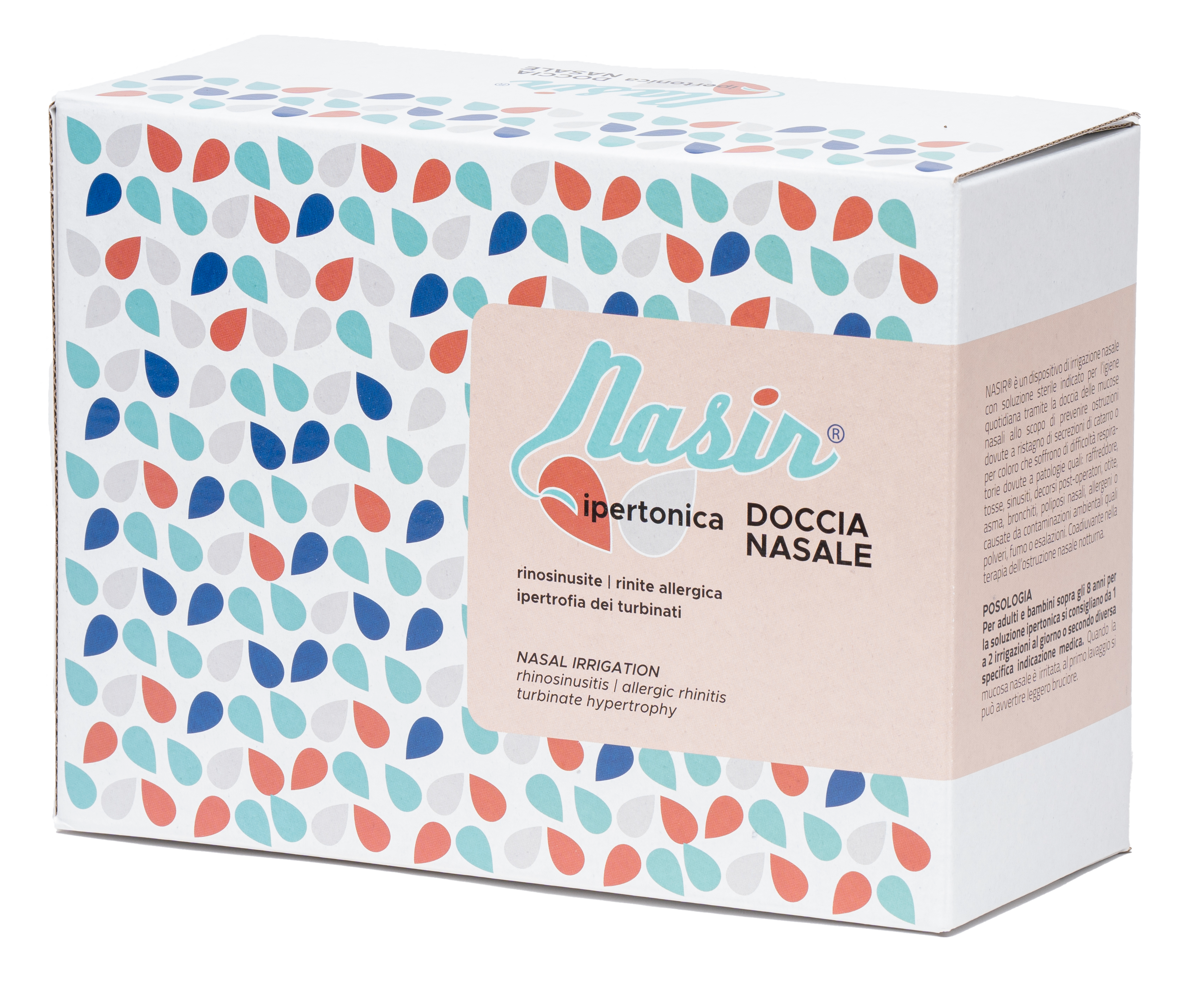
Sterile, single-use isotonic, hypertonic, or hyaluronic acid solutions are also on the market.
Nasal irrigation (called nasal lavage)
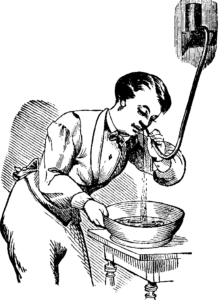
One of the most effective solutions for dry nose is thenasal irrigation (or nasal lavage) with isotonic (physiological) or hypertonic saline solution, through the use of syringes, neti lota or medical devices.
This technique allows the removal of irritating particles and allergens, and performs cleaning of the nasal cavities so as to promote absorption of the drug.
There are several ready-made devices for nasal lavage on the market, each with different indications and instructions.
Saline solution can also be prepared at home.
Here is the procedure for nasal irrigation:
- Use an isotonic or hypertonic saline solution, or prepare the saline solution as indicated above.
- Aspirate the solution with the syringe or medical device, or pour it into the Neti Lota.
- Leaning over the sink, tilt your head down and to the side opposite the nostril to be irrigated.
- Place the syringe, Neti Lota or medical device in the nostril.
- Breathe normally through the mouth and inject/pour the solution into the nostril. The solution will flow in and out the other nostril after a few seconds.
- Spit out the solution that may have leaked from your nose. Ingestion of small doses of saline solution does not cause intoxication.
- Blow the nose to rid it of solution residue and mucus.
- Repeat this procedure for the other nostril.
Remember to tilt your head downward, possibly past your shoulders, to prevent the solution from flowing back down your throat or into your eyes.
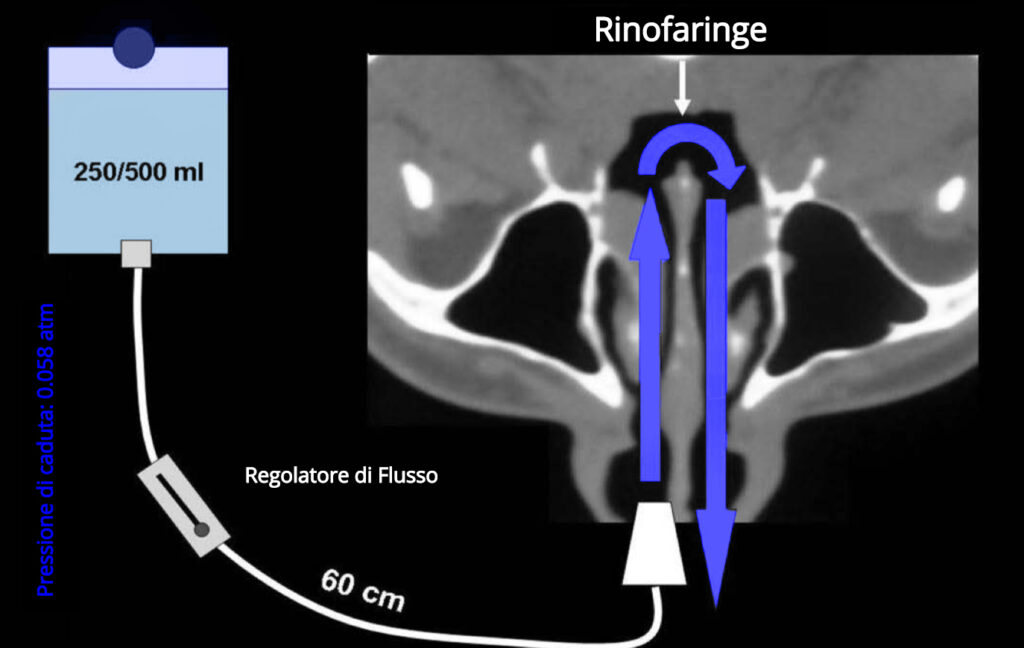
If possible, use a new or sterile saline solution for each new irrigation, and rinse and disinfect the syringe, Neti Lota, or medical device before and after each use to prevent bacterial or fungal growth.
When to consult the doctor
A dry nose is often caused by blowing your nose too frequently.
Some medications, such as decongestants and antihistamines, can also cause or worsen dryness.
Rarely, dry nose can be a symptom of more serious conditions such as:
- Sjogren's syndrome: this immune disorder affects the glands that secrete fluids such as tears or saliva. It causes dryness of the mouth and eyes, and can also affect the nose or other parts of the body.
- Atrophic Rhinitis: this disease causes narrowing and thickening of the nasal cavities, and the formation of dry crusts inside the nose. Complications of atrophic rhinitis include a warm sense of smell, epistaxis (bleeding), and infection.
If your nose is chronically dry and very severe, consult your doctor, especially if it is accompanied by symptoms such as pain, frequent bleeding, or signs of infection.
translated and adapted ita by the author
Source: medicalnewstoday