Waking up breathless at night: causes, diagnosis and treatment
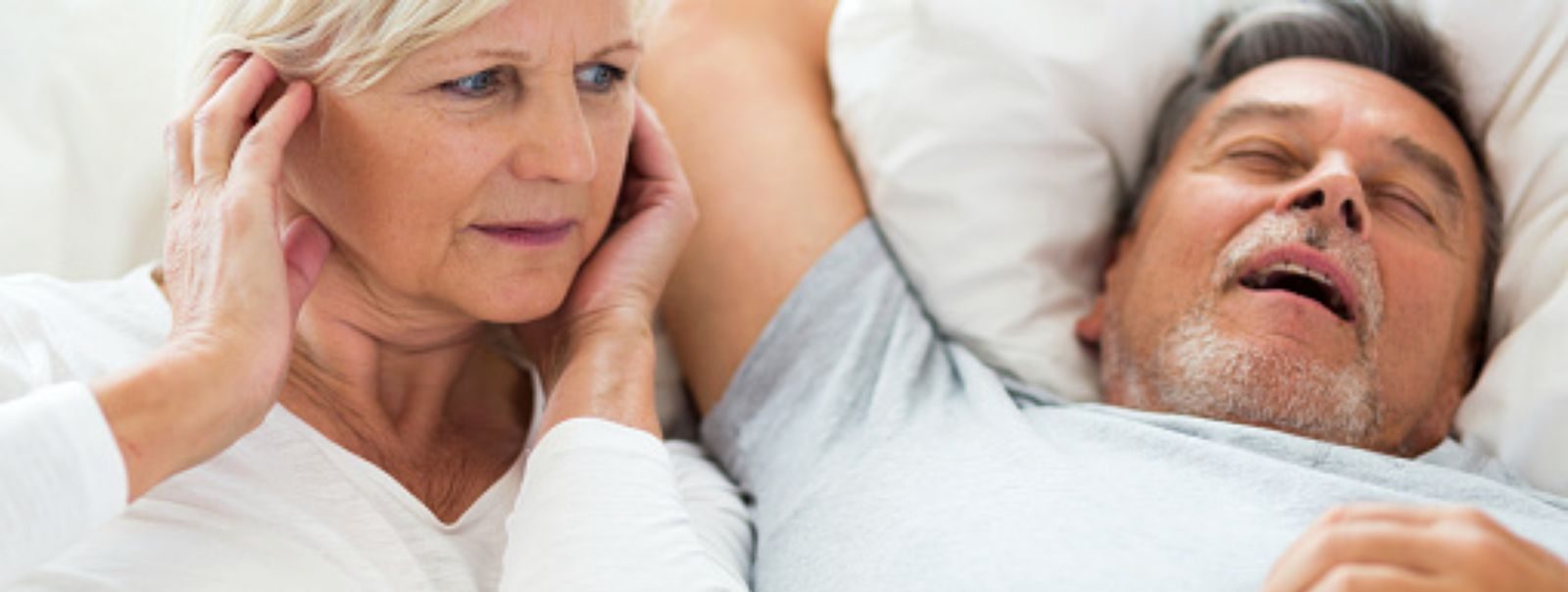
"Why do I wake up at night gasping for breath?" If this is the question you ask yourself every morning, you should know that waking up at night gasping for air (or breathless, medically known as dyspnea) is quite common; however, it remains a frightening experience.
Some causes, such as postnasal drip, can be easily treated. Others require attention and a specialist medical examination, as well as a long-term treatment plan.
In this article, we explore why someone may experienceshortness of breathand wake up gaspingfor airduring the night, what tools,medical devices, and medications can help, and when to consult a doctor.
Causes
Waking up at night feeling short of breath or suffocating can happen for various reasons, including:
Obstructive Sleep Apnea (OSAS)
- Central Sleep Apnea, caused by incorrect signals from the brain.
- Obstructive Sleep Apnea (OSAS), caused by a blockage in the airways, which interrupts the flow of air.
In Italy,OSAS (Obstructive Sleep Apnea Syndrome) "is so widespread that the number of people affected is comparable to that of diabetes,"or about 6 million people. In the United States, according to theNational Sleep Foundation, there are about 18 million adults who suffer from obstructive sleep apnea syndrome.
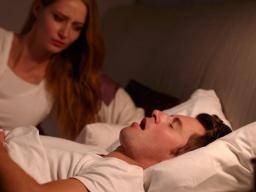
When you suffer from sleep apnea, you may not even be aware of the problem unlesssomeone close to youtells you that your breathing is irregular during sleep, or that you stop breathing and go into apnea.
Other symptoms of sleep apnea may include:
- morning headaches
- daytime fatigue
- memory problems
- exhaustion
- irritability
Anxiety
Anxiety can causepanic attackswhich, when they occur during the night, can lead to a sudden awakening, with a terrible hunger for air.
According to theAnxiety and Depression Association of America, approximately 70% of people with anxiety disorders report having difficulty sleeping.
Other symptoms related to anxiety may include:
- restlessness
- fear or concern
- palpitations
- panic
- difficulty concentrating
Asthma
Asthma is a chronic disease that causesinflammation of the airways. The medical term "nocturnal asthma" refers to the onset of symptoms during sleep. When this condition is not kept under control, nocturnal asthma episodes can be frequent.
Other symptoms of asthma may include:
- cough
- shortness of breath
- feeling of being unable to breathe in
- tight in the chest
Chronic ObstructivePulmonaryDisease (COPD)
COPD (Chronic Obstructive Pulmonary Disease) occurs when small air sacs in the lungs become damaged. These sacs, called alveoli, deflate and make it difficult to exhale, or expel air from the lungs.
COPD symptoms can also occur during the night, and you may wake up at night feelingshort of breath and suffocated.
Other symptoms of COPD include:
- air hunger
- excess mucus
- cough
- exhaustion
- tight in the chest
Heart failure
Heart failure occurs when the heart is unable to pump blood as it should.
Heart failure can be caused by abnormal heart valves, previous heart attacks, or coronary artery disease.
Shortness of breath shortness of breath is one of the most common symptoms. At first, the person may only notice it during physical activity, but as the disease progresses, they may find themselves short of breath even when resting or sleeping.
People with heart failure may also suffer from:
- exhaustion
- swelling of the feet and legs
- chest pain
- abdominal bloating
Postnasal drip
The mucus and saliva produced by our bodies during the day flow naturally from the nose to the back of the throat and are then swallowed automatically. Usually, this happens without us even noticing.
Postnasal drip occurs when this mucus accumulates and drips down the back of the throat.
When mucus builds up, you may feel like you are suffocating, and the dripping may wake you up at night.
Gastric reflux (gastroesophageal or laryngoesophageal), sinusitis and allergies are common causes of postnasal drip.
Other symptoms include:
- bad breath
- sore throat
- bad taste in the mouth
- cough
Diagnosis
The doctor will ask about your symptoms and medical history, and may perform a thorough examination.
These are some of the tests that can help understand the causes of air hunger:
- blood test
- sleep study, to determine whether sleep apnea is present (polysomnography)
- echocardiogram, to check for any heart abnormalities
- electrocardiogram, to measure heart rate and rhythm
- lung function test
Therapy
Once your doctor has identified the causes, he or she may prescribe one of the following treatments:
Medications
Medications can treat heart failure, COPD, and anxiety.
Beta blockers can improve heart function and even reduce shortness of breath.
Bronchodilators and corticosteroid inhalers can open the airways and improve airflow in people with COPD, resulting in reduced breathlessness.
Anxiolytic drugs can lead to fewer panic attacks, and therefore can help prevent waking up at night feeling short of breath.
Continuous positive airway pressure (CPAP)
When waking up at night is a consequence of obstructive apnea, your doctor may prescribe CPAP (ContinuousPositive AirwayPressure). This therapy involves the use of a device that delivers air (positive pressure) to the lungs, thus preventing the interruption of airflow.
Dental devices
Obstructive sleep apnea can also be treated with dental devices that push the tongue and jaw forward, preventing the throat muscles from collapsing backward and blocking the air passage.
Nasal irrigation (washing) devices and nasal sprays
Nasal irrigation devices are often recommended to treat and prevent many conditions, including postnasal drip. In addition, daily cleaning of the nasal cavities promotes better oxygenation and therefore deeper sleep.
-
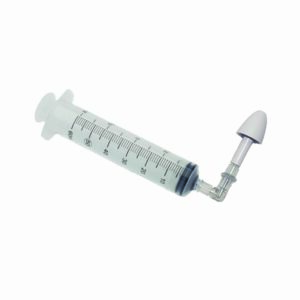 Nasir Rapid - Rapid Nasal Irrigation€25.90 (VAT included)
 -
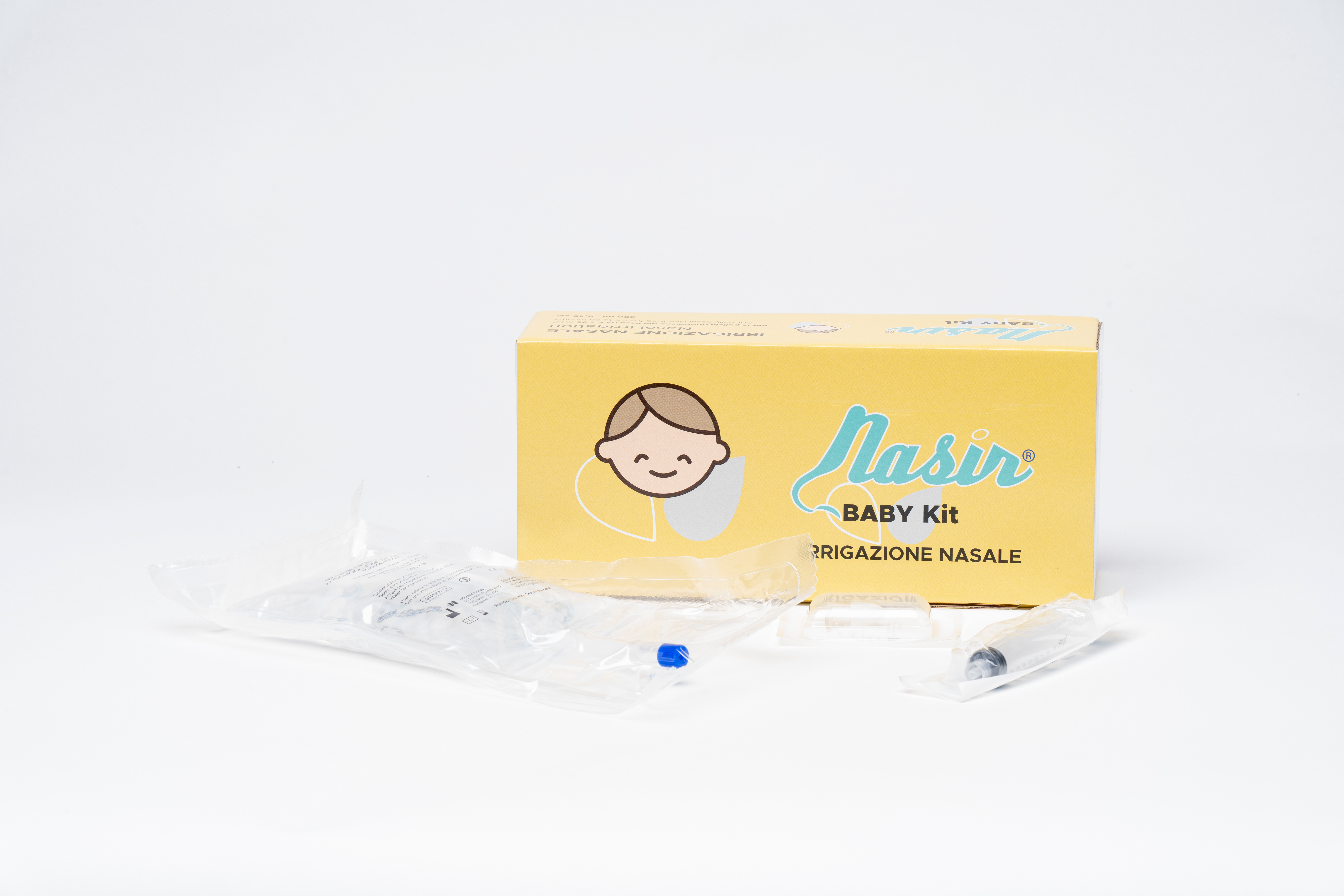 Nasir Baby - Nasal wash for baby and toddlerPrice range: from €10.80 to €19.90 VAT included
 -
 Nasir Nasal Shower - Isotonic 250 mlFascia di prezzo: da €27.90 a €130.00 VAT included
Good habits
These tips can help reduce nighttime air hunger caused by stress and anxiety:
- get enough sleep
- go to bed and wake up at the same time every day
- consume caffeine only in the morning
- Before going to sleep, relax with meditation, breathing exercises, or reading (not on electronic devices).
Nasal dilator
I nasal dilators improvethe wearer's breathing even during sleep. Once inserted into the nasal cavities, the dilator promotesbreathing, combatingsleep disorders such as apnea and snoring.
They are often recommended duringsports(running, cycling, hiking, etc.) orsingingbecause they ensure betteroxygenation and performance.
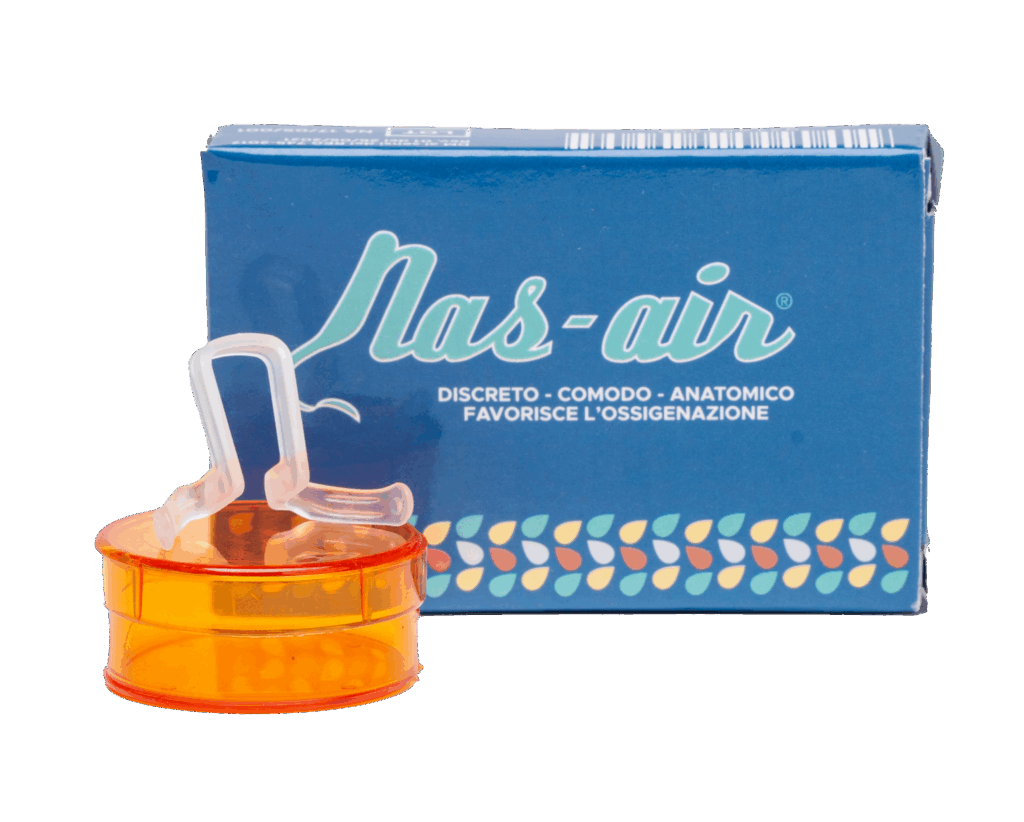
Nas-Air - Nasal Dilator
packaging: Nas-Air Nasal Dilator (1 pc.)
When to consult the doctor
If episodes of nighttime breathlessness are sporadic, medical treatment is not necessarily required, especially if there are no other symptoms and you are able to fall back asleep quickly.
However, if symptoms are frequent and varied, it is necessary to consult your doctor.
Once the underlying causes have been identified, your doctor will be able to prescribe a treatment that will ensure you get deep, continuous rest.
-
Nasir Baby - Nasal wash for baby and toddlerPrice range: from €10.80 to €19.90 VAT included
-
Product on sale
 Nas-Air - Nasal DilatorPrice range: from €9.80 to €19.30 VAT included
 -
Nasir Nasal Shower - Isotonic 250 mlFascia di prezzo: da €27.90 a €130.00 VAT included
Translated and adapted into Italian by the author
Source: Medicalnewstoday