Uncorking ears: how to do it? 8 effective remedies
How to unblock your ears: 8 effective remedies
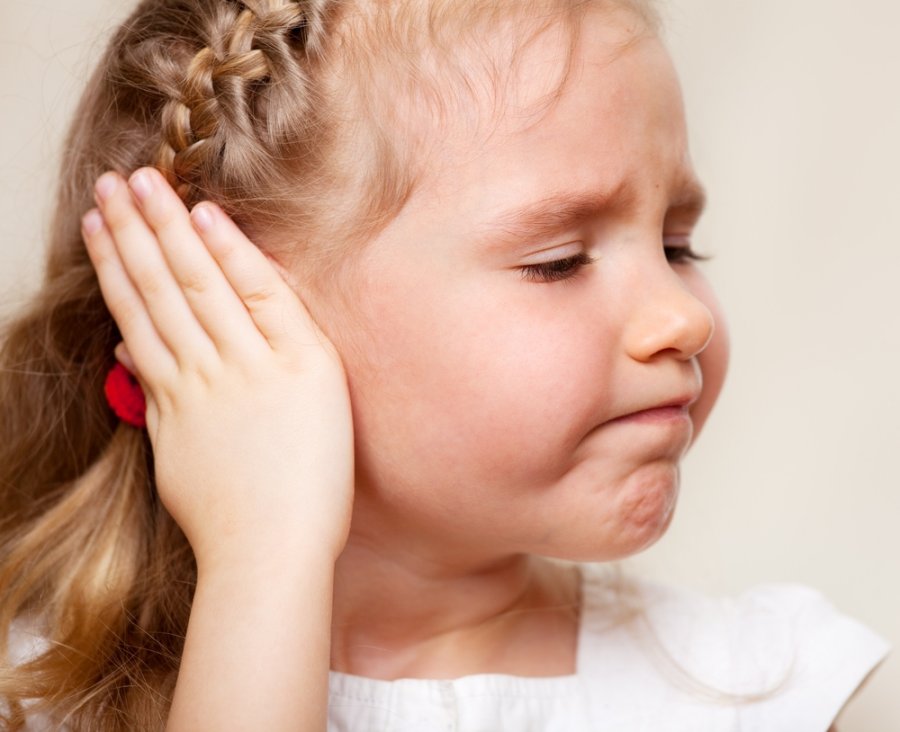
Almost all of us have experienced at least once the annoying—sometimes painful—sensation of having blocked ears and needing to clear them.
The medical term for this condition is middle ear barotrauma.
The causes of ear (or auricular) barotrauma can be the common cold, but also some more serious respiratory diseases, changes in pressure and altitude, such as during a flight or a car trip up a mountain, or when scuba diving.
Some professions are more affected by this disorder and barotraumatic otitis: flight attendants, stewards, and flight assistants, airplane and helicopter pilots, and aviators in general.
Divers, snorkelers, and mountain guides are also affected. Not to mention executives and administrators of large companies, or simply professionals who often travel by plane for work.
But what exactly is this sensation, and how can you unblock your ears?
How to unblock blocked ears
Unblocking your ears helps to open the Eustachian tube and thus regulate the pressure in the middle ear. There are many useful techniques that can help to unblock your ears safely and effectively:
Yawning
Yawning naturally helps to open the Eustachian tube. Try forcing yourself to yawn a few times until you feel your ears clear.
Swallow
Swallowing helps activate the muscles that open the Eustachian tube. You can induce swallowing by sipping water or sucking on candy.
Medical Devices
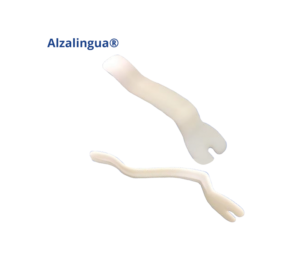
There are several medical devices on the market that help to clear and unblock the ears.
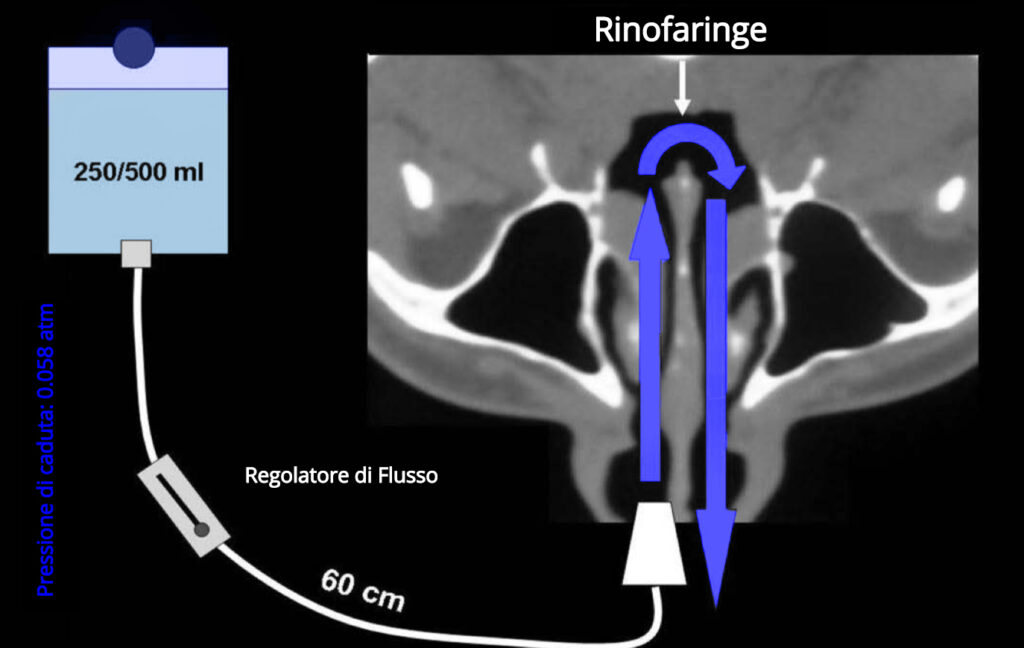
Nasal irrigation
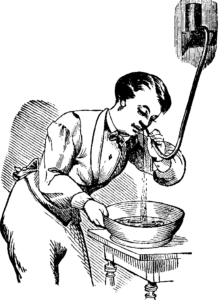
Nasal irrigationdevices are excellent for decongesting the nasal cavityand thusallowing mucus to drain from the Eustachian tubes, facilitating the normalization of pressure in the middle ear. Other devices allow you to mimic the movements of the above maneuvers, especially for those who are unable or have difficulty using them safely and carefully.
Valsalva maneuver
If yawning or swallowing does not work, you can try the Valsalva maneuver. This is a difficult maneuver which, if performed abruptly, can even cause perforation of the eardrum.
It consists of inhaling and then closing the nostrils with your fingers and, keeping your mouth closed, gradually and slowly trying to exhale through your nose.
Toynbee maneuver
To perform this maneuver, close your nostrils with your fingers and mouth, and try to swallow. The maneuver can be simplified by having a little water already in your mouth.
Frenzel maneuver
For this maneuver, close your nostrils with your fingers and use your tongue as if you were trying to produce the sound of a hard "C" or the letter "K."
Chewing gum
Chewing gum facilitates swallowing because it stimulates saliva production. In addition, the mere act of chewing helps to open the Eustachian tube.
Medications
Experienced travelers use decongestants when flying. Both pills and nasal sprays can work, although onestudyfound that oral medications are more effective.
Taking the medication 30 minutes before takeoff or landing can help narrow the mucous membranes in the nose and Eustachian tube, making it easier to unblock the ears.
During takeoff and landing, it is important to avoid sleeping because swallowing occurs less frequently during sleep and is therefore insufficient to prevent your ears from popping.
Children often struggle to unblock their ears because they are not yet able to swallow or unblock their ears voluntarily. Feeding (whether breastfeeding or bottle feeding) allows the infant to suck and swallow, thus opening the Eustachian tube and normalizing the internal pressure in the ear.
What happens when you pop your ears?
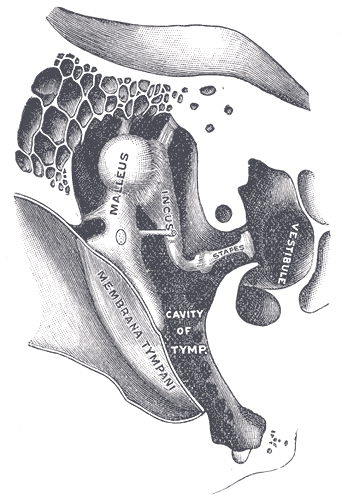
Inside the ears there is a small canal, called the Eustachian tube, which connects them to the throat. Its function is to drain fluid from the ear and regulate the pressure between the nose and ears. Swallowing allows this canal to open and small air bubbles to pass from the nose to the ear.
Many people experience and hear a "click" or "pop" in their ear when they swallow; this sound is caused by the movement of air that is continuously absorbed by the ear. This process maintains a balance between the external pressure and the internal pressure of the ear. If the Eustachian tube becomes blocked or the external pressure is unbalanced with the internal pressure, we experience the typical feeling of fullness and discomfort in the ears.
Blocked Eustachian tube
The most common cause of Eustachian tube closure is the accumulation of nasal mucus due to severe colds or sinusitis. When the nose is congested, it prevents fluid from draining from the middle ear and obstructs the proper passage of air to the middle ear; this blockage creates negative pressure inside the ear, which affects the eardrum and, therefore, hearing.
Pressure change
Normally, the air pressure inside the ear is similar to the pressure outside the ear. However, at higher or lower altitudes, such as during takeoff and landing in an airplane, or during scuba diving, the pressure may not be the same. The result of this variation is wider and more frequent opening of the Eustachian tube to maintain and normalize internal pressure.
When to see a doctor
If, despite these measures and techniques, the condition does not improve, or even worsens with persistent pain or discomfort, it is advisable to consult a specialist.
Your doctor may suggest taking medications such as decongestants or corticosteroids to help unblock your ears, or even antibiotics if there is an infection.
In some rare cases, surgery may be necessary to drain fluid accumulated in the middle ear, thereby normalizing pressure and restoring hearing.
Source:Medical News Today
Translated into Italian by the author