Nasal cytology: what it is and what it is for
What is nasal cytology examination?
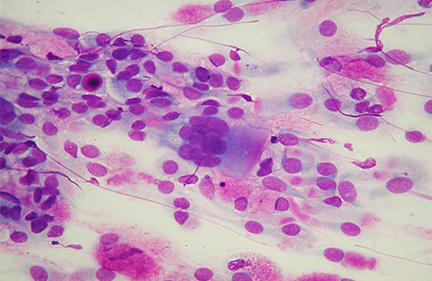
Cytological examination consists of light microscopic observation of cells taken from the nasal mucosa. The sampling is painless and is performed without the need for anesthesia, within seconds, even in children. Through a sterile plastic curette - marketed as Nasal Scraping after the technique it invokes - a sample of cells is taken from the most superficial layer of mucosa within the nasal fossa.
In the field of Rhinology, numerous diagnostics are used nowadays, and although anamnestic investigation always remains of fundamental importance, these instrumental diagnostics (rhinomanometry, acoustic rhinometry, endoscopy, immunohistochemistry, immunological tests, etc.) facilitate diagnosis and are also valid for the purpose of a therapeutic program. Nasal cytology should also be considered among them.
Prof. Matteo Gelardi
The collected cells are "fixed" at the time of collection on a laboratory slide and then stained to make them visible under a microscope; they are then also observed at 1000 magnifications. Cells can be observed while still alive by so-called fresh cytology through phase-contrast microscopic observation to assess cell viability and thus the patient's health status.
Complete procedure: nasal cytology collection, rapid MGG staining, microscopic reading (VIDEO English subtitles - Nasal Cytology with English subtitles):
The nasal cytology report
Therefore, the cytologist in examining the slide will assess the quality of the cytological specimen and the number and type of cells present. In fact, it may happen that an imperfect fixation or a technical problem, may invalidate the examination. Other times the scarcity or lack of cells does not allow a diagnostic conclusion to be reached. In this case the cytologist will limit himself to a description of what is present on the preparation and conclude his report. If positive, inflammatory, infectious, pure vasomotor or allergic rhinitis, nonallergic vasomotor rhinopathies such as NARES (Non-Allergic Rhinitis with Eosinophil) and NARESMA (Non-Allergic Rhinitis with Eosinophil and Mast-cells) can be diagnosed and distinguished, or NARNE (Non-Allergic Rhinitis with Neutrophil), and identify or redefine therapy(nasal irrigations, steroid therapy, etc.).


Where to find a nasal cytologist?
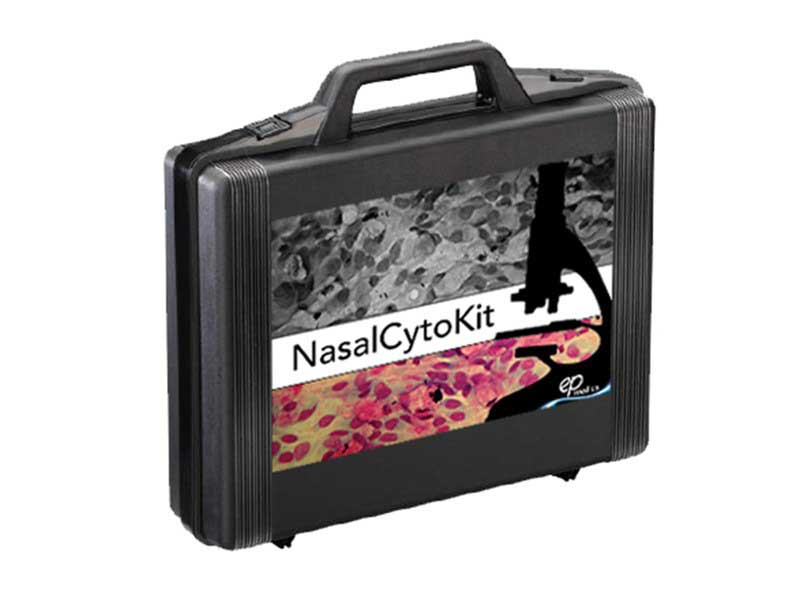
Nasal cytology is a diagnostic that affects many medical specialties, from microbiology to rhinology, via otolaryngology, allergology, pediatrics and pulmonology. In Italy, theAICNA (Italian Academy of Nasal Cytology), which is composed of dozens of specialists in different medical branches and from all over the country, together with the portal cytologianasale.eu, curated by Prof. Matteo Gelardi, make it possible to get in touch with the network of nasal cytology professionals and find out where to do it, or to professionally deepen the study of the methodology through basic and advanced level Masters, or course. Today, for a physician, learning nasal cytology techniques is less and less complex thanks to the activities of the Italian Academy of Nasal Cytology, low costs for the practitioner, and therefore for the patient, and the marketing of the NasalCytoKit, a briefcase that contains all the materials needed to get started in this diagnostics.
-
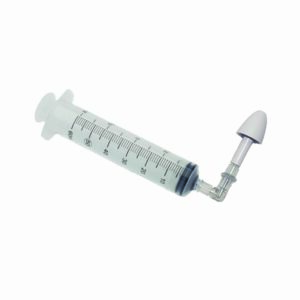 Nasir Rapid - Rapid Nasal Irrigation€25.90 (VAT included)
 -
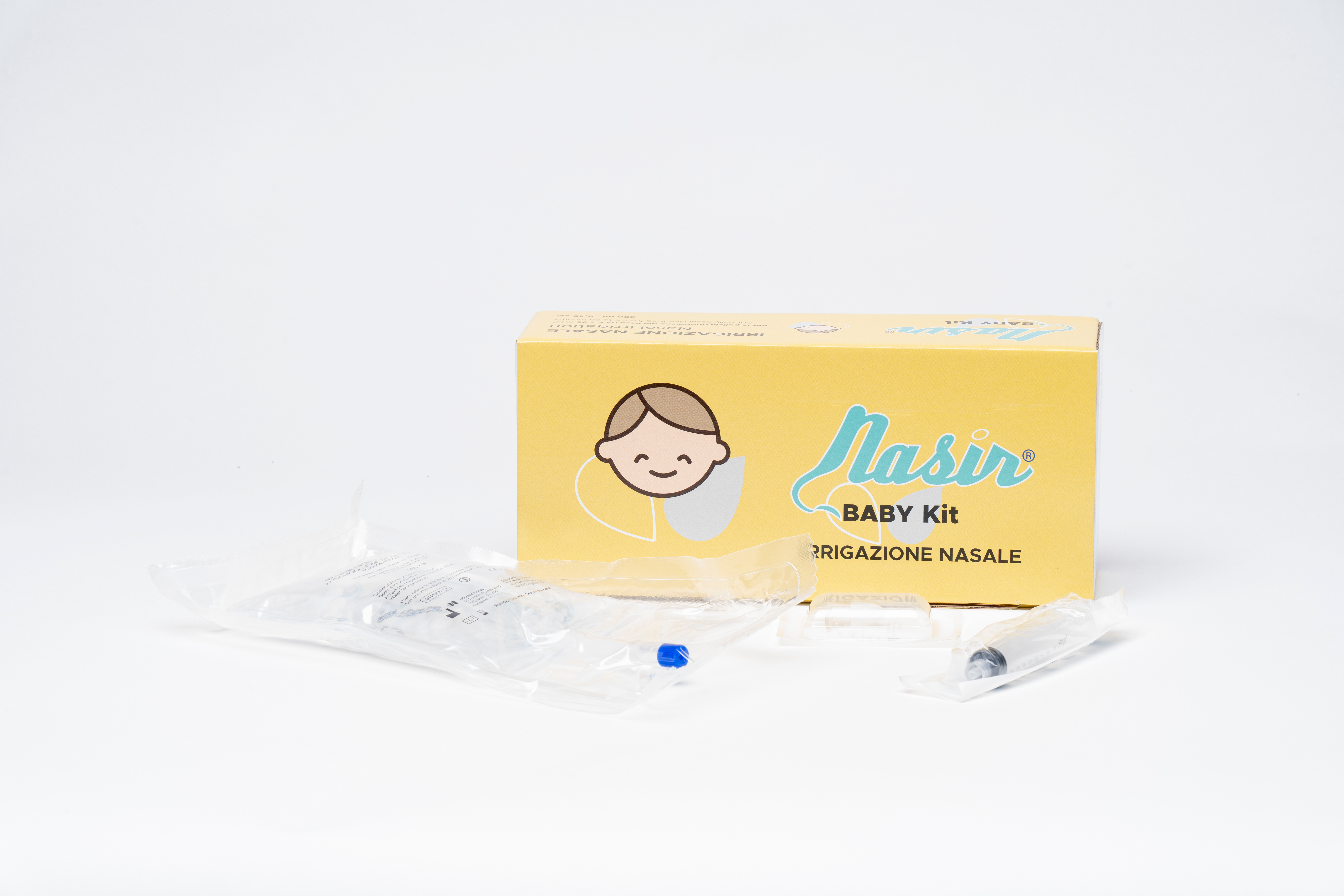 Nasir Baby - Nasal wash for baby and toddlerPrice range: from €10.80 to €19.90 VAT included
 -
 Nasir Nasal Shower - Isotonic 250 mlFascia di prezzo: da €27.90 a €130.00 VAT included