Nasal irrigation: the experts have their say.
Nasal washing is one of the most useful, yet underrated, personal hygiene techniques.
Report by Drs.S. Masieri and C. Cavaliere
Sapienza University of Rome
It is able to effectively and quickly restore the functionality of the nasal mucosa, restoring its purifying, humidifying, and immune functions. The activity of nasal wash is not limited to cleaning and clearing the nasal cavities of accumulated secretions, but also has a decongestant effect, increasing the passage of air inside the nasal cavities and alleviating the typical unpleasant sensation of a "stuffy" nose. This improves the individual's well-being by perfecting nasal breathing and, consequently, promoting better functionality of the lower respiratory tract.
The origins
This technique has ancient origins. For thousands of years, the Yoga tradition has practiced cleansing the nasal passages with saline solutions. As we know, the goal of yoga philosophy is to unite the body and soul with God in order to achieve a state of mental and physical well-being. To this end, particular attention is paid to breathing techniques. It is in this context that the practice of Jala Neti is carried out, which involves pouring a saline solution into the nose using a vessel called a Lota, which is placed on the nostril to be cleansed.
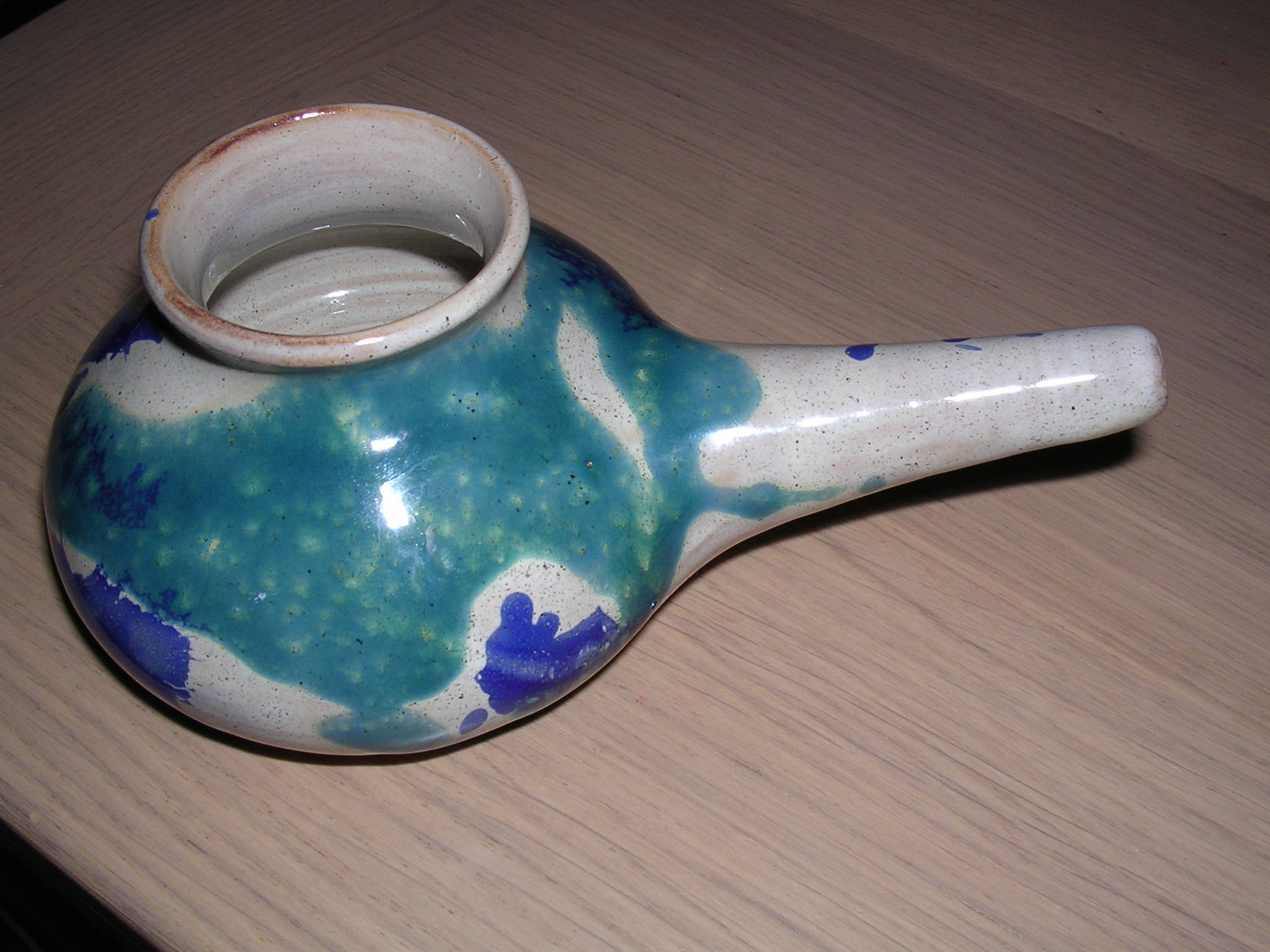
Modern medicine has recognized the usefulness of this technique and has developed nasal washing methods that form the basis of personal hygiene and, more often than not, the foundation of therapeutic approaches. The liquid that is introduced into the nasal cavities is a warm isotonic saline solution isotonic or hypertonic that irrigates the mucosa, promoting the expulsion of mucus from the nasal cavity and restoring the functionality of the mucosa. Today, nasal irrigation is rarely used as a personal hygiene practice but more frequently as a therapeutic activity in patients with nasal disorders.

Why should washing your nose be a daily practice?
There are numerous reasons for this. First of all, it prevents airborne viral infections caused by rhinoviruses (which cause the common cold) and influenza viruses influenza viruses, and gastrointestinal viruses. Its protective action works both by directly eliminating the virus and by activating the ciliary function of the delta cells of the basement membrane of the nasal epithelium, which ensure the transport of mucus to the nasopharynx and from there to the oral cavity.
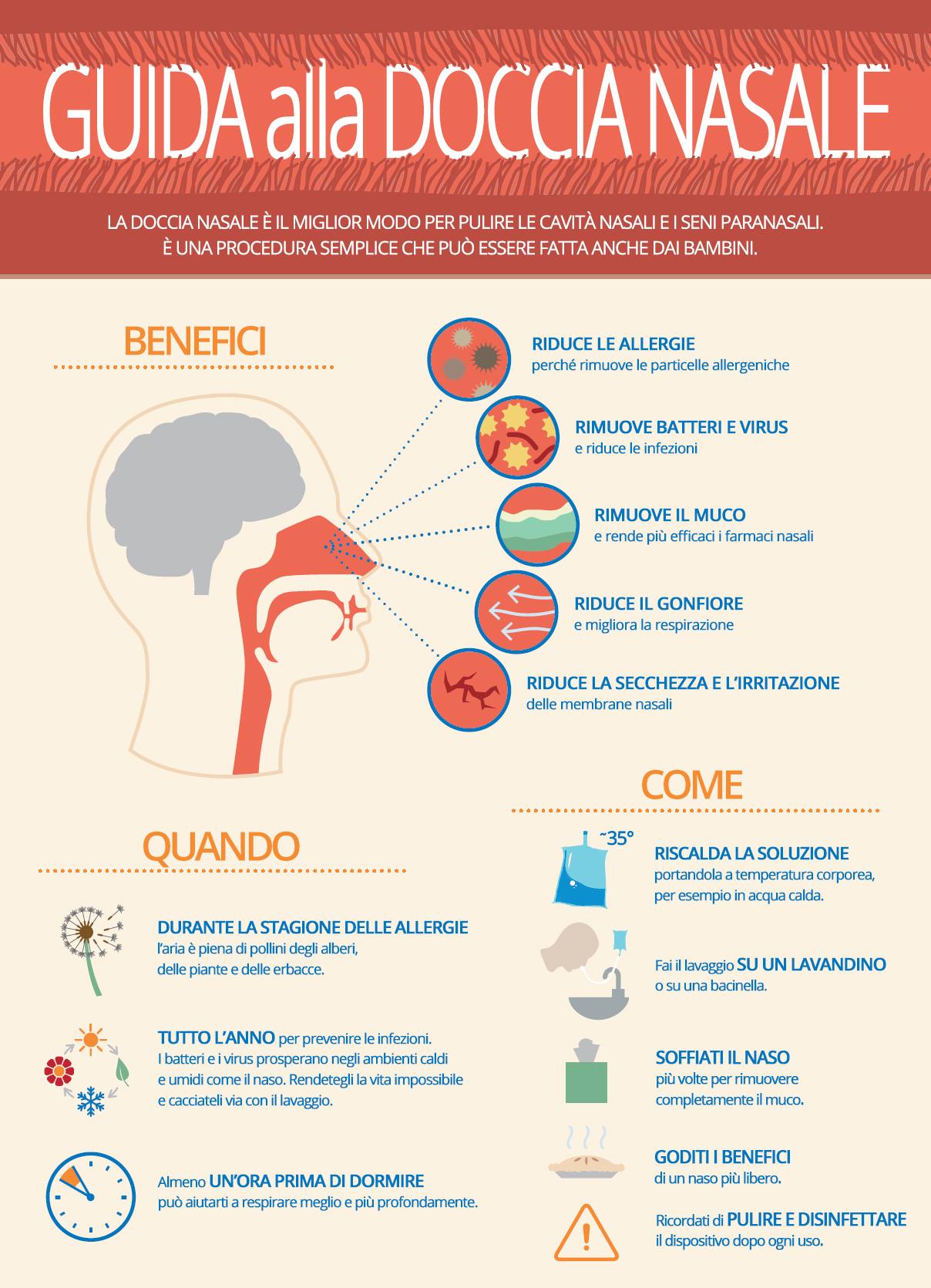
What are the positive effects of nasal irrigation?
Nasal washing also has another important function in the prevention and treatment of allergic rhinitis.It cleanses the nasal mucosa of pollen and inhalants that would otherwise not be eliminated promptly, thereby reducing the load of allergens that cause the typical symptoms of allergic patients (sneezing, rhinorrhea, itching, coughing, and nasal obstruction). Another important function is related toair humidification, which is one of the main tasks of the nasal mucosa. This function is compromised when the mucosa is affected by the presence of mucus. Furthermore, in the presence of scabs, nasal irrigation softens them and gently removes them, avoiding unpleasant bleeding.
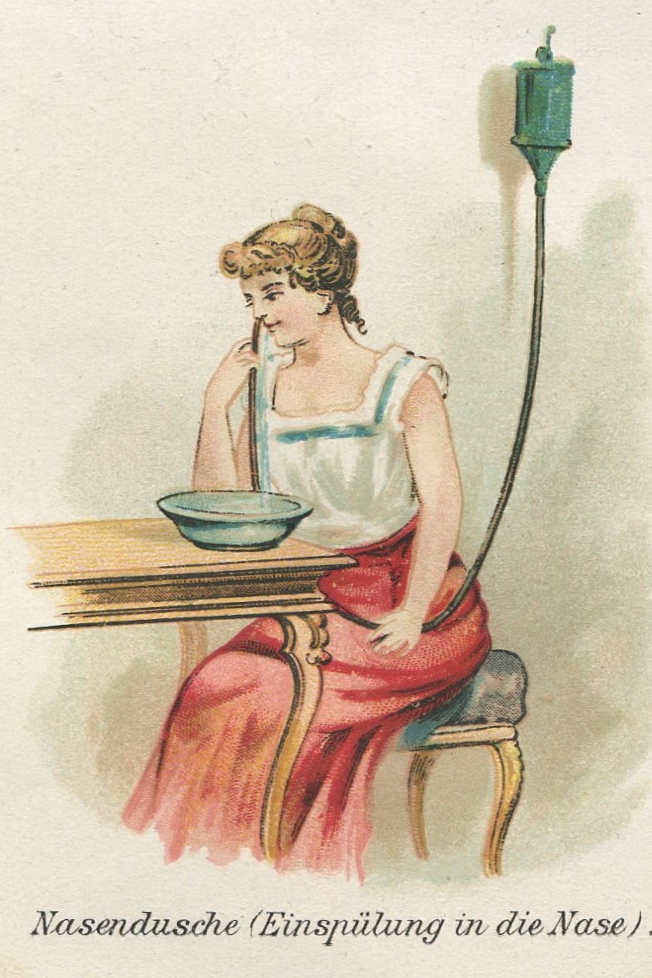
When should nasal irrigation be performed?
In patients suffering from acute rhinitis, nasal washing reduces the duration of the infection and prevents the condition from becoming chronic, while in chronic forms, washing improves the expulsion of germs present in the mucus and facilitates drainage of the paranasal sinuses, allowing effective use of vasoconstrictors and/or topical steroids that act directly on the inflamed mucosa.
Another indication for the use of nasal rinses is the numerous occupational rhinopathies that are common among bricklayers, sanitation workers, bakers, carpenters, printers, auto body repairers, and other occupational groups that come into contact with dust. Nasal rinsing has also proven effective in this area.
Nasal irrigation in children
In pediatric diseases , the use of nasal washes allows for a reduced use of antibiotics, as it reduces the patient's exposure time to the infectious agent, preventing complications such as bacterial superinfections that can lead to ear infections, adenoiditis, sinusitis, pharyngitis, and laryngitis. Its curative purpose is also expressed in the form of adjuvant therapy in cases of chronic diseases such asasthma, chronic bronchitis, bronchiectasis, and cystic fibrosis , and ciliary dyskinesia in children and adults.
When can nasal washing be helpful?
In the field of adjuvant therapies, we would like to mention the usefulness of nasal irrigation following plastic surgery. septoplasty, volumetric reduction of the turbinates (whether surgical or radiofrequency) and removal of nasal polyps. The obstruction accompanying nasal polyposis predisposes to sinusitis and frequent acute rhinitis, which can become chronic. In these cases, nasal irrigation is useful for preventing recurrence by allowing normal ventilation of the nasal cavities and paranasal sinuses and optimizing the pharmacological action of topical substances applied to the mucosa. Nasal irrigation is also very useful in patients suffering from obstructive sleep apnea syndrome (OSAS). The use of nasal irrigation with slightly hypertonic (2% NaCl) buffered saline solutions in the treatment of OSAS can help reduce nasal mucosal edema and drain mucous secretions.
In which cases is it inadvisable to wash your nose?
When epistaxis (bleeding) is ongoing or has recently ended, when there are new growths in the nasal cavities, and in cases of pain related to the nasal cavities.
How to perform nasal irrigation?
The simplest method is to use a 10cc syringe filled with warm saline solution. The advantage of this method is that it does not require any special skills or instruments. The disadvantage is that the amount of liquid introduced into the nose is limited, as is the duration of irrigation. The syringe is designed to allow a quick "splash," but this does not completely clean the nose in cases of abundant secretion.
The Nasir® system
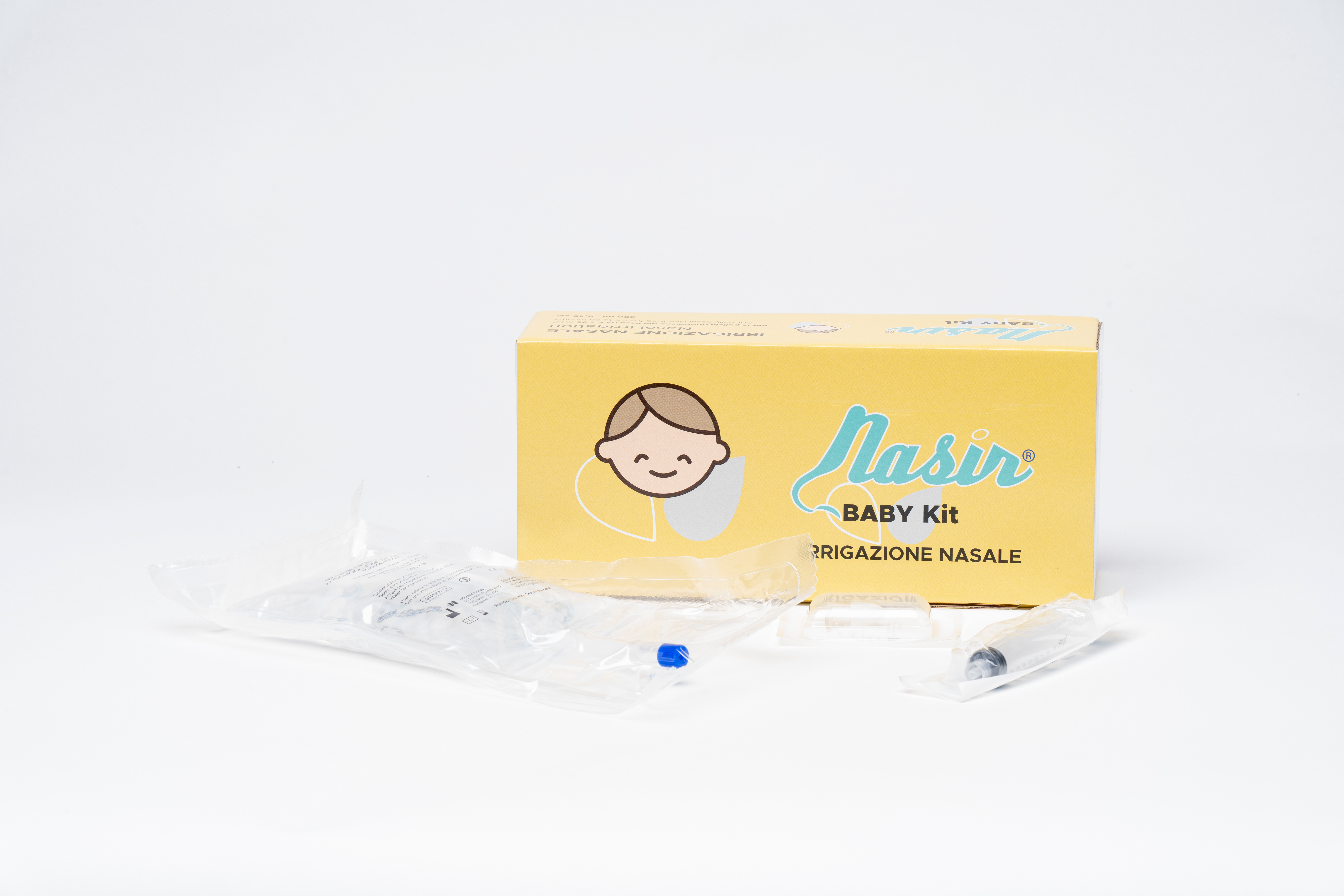
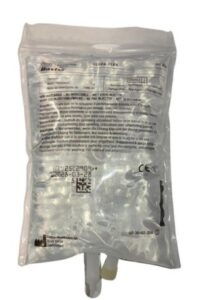
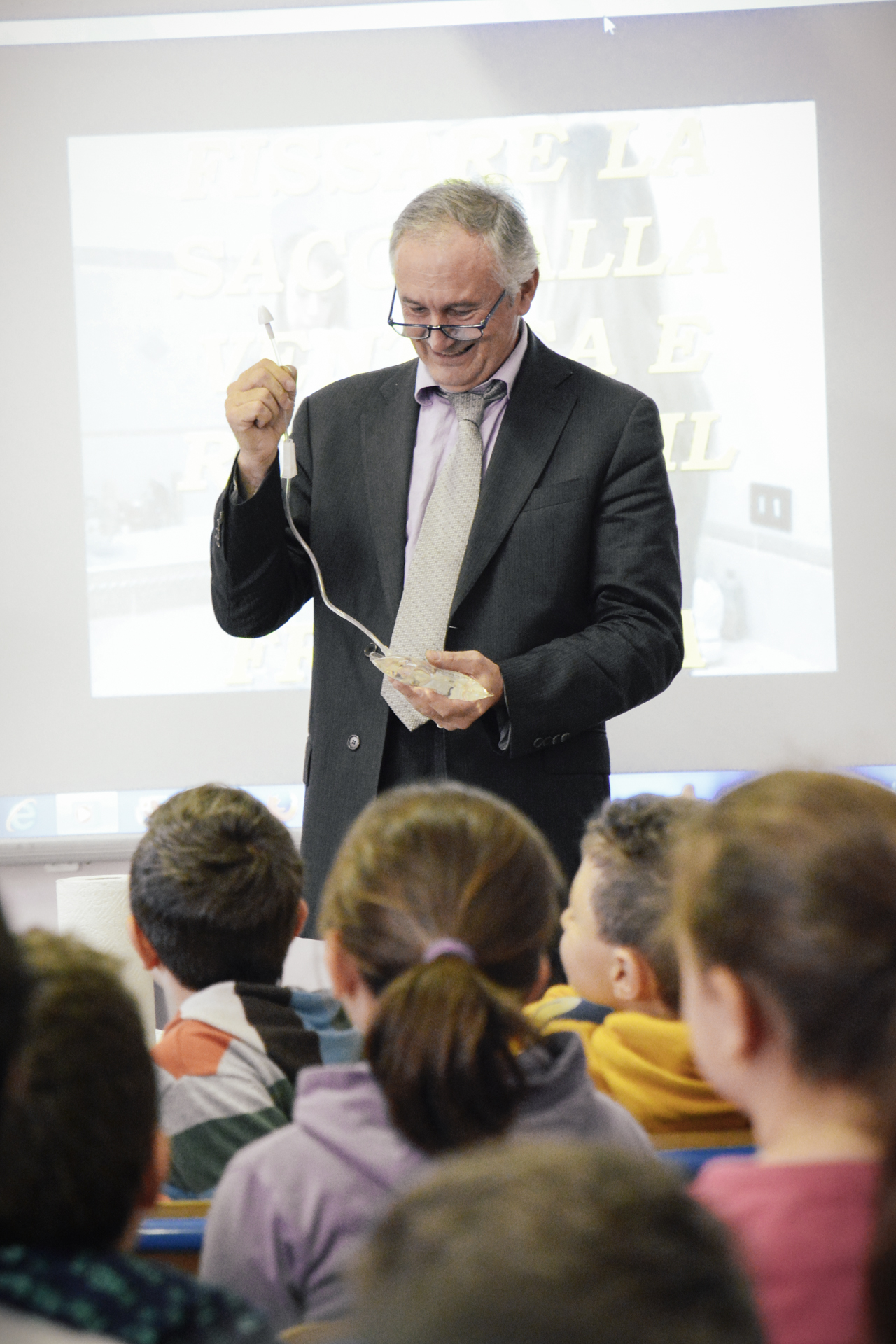
In this sense, the Nasir, a nasal shower device with sterile solution, comes to our aid. The Nasir consists of bags of isotonic and hypertonicsolution that allow for easy and continuous irrigation of the nasal cavities. The bags are hung with a suction cup on the bathroom mirror and the nasal dispenser with a rounded tip is placed in close contact with the nostril. The flow regulator allows the water to flow into the nose at a controlled speed.

What is the correct position for nasal washing?
As with all washes, whether performed with a simple syringe or with devices such as the Nasir, the person must lean over the sink with their chin resting on their chest and their head tilted to the side to be washed so that the solution does not go down their throat. During the procedure, the patient must breathe through their mouth. The dispenser is like a toothbrush: it is personal and should not be shared. Nasal washing is a natural, effective technique with no side effects that improves patients' quality of life, but results and effectiveness depend on the correct use of the technique.
Tuesday, April 12, 2011, 7:02 p.m.