Wheezing: 7 home remedies

With breathlessness(panting, shortness of breath, or in medical jargon dyspnea), refers to difficult breathing. It is a normal symptom when performing strenuous exercise, but becomes pathological if it occurs in unexpected situations. Although common, it can be a stressful and uncomfortable experience. When it is not a symptom of a more serious illness, it can be treated with home remedies. In this article, we will explore some remedies and in which cases it is necessary to consult a doctor.
Contents of this article:
- Home remedies to eliminate shortness of breath
- What causes shortness of breath?
- Lifestyle changes that can help
- When should you consult your doctor?
Home remedies to eliminate shortness of breath
When you know the causes of shortness of breath, and it is not a medical emergency, you can try to alleviate the symptom with some home exercises:
1. Breathe deeply using your diaphragm.
Breathing deeply with your diaphragm can help eliminate shortness of breath.
When you are at home, you must:
- lie down and place your hands on your abdomen
- Breathe in deeply through your nose and expand your abdomen, filling your lungs with air.
- hold your breath for a couple of seconds
- exhale slowly through your mouth and empty your lungs
- repeat the exercise for 5-10 minutes
This exercise can be repeated several times throughout the day, or until you feel an improvement in your shortness of breath. It is better to breathe more slowly and deeply than quickly.
2. Breathe with your lips slightly parted.
Another useful exercise involves breathing with your lips slightly parted. Breathing with your lips slightly parted helps reduce shortness of breath because it forces you to slow down your breathing. It is especially useful in cases of breathlessness caused by anxiety.
Here's how to do it:
- sit down on a chair and relax your shoulders
- press your lips together, leaving a space between them
- inhale through your nose for a couple of seconds
- Exhale slowly through slightly parted lips for about 4 seconds.
- repeat for about 10 minutes
This exercise can be performed at any time, even several times throughout the day.
3. Assume a comfortable and supported position
Adopting a comfortable, supported position can help you relax and catch your breath, especially in situations of anxiety and hyper-fatigue.
The following positions can relieve pressure on the airways and improve breathing:
- sit on a chair, preferably with head support
- lean against a wall that supports your back
- take the weight off your feet by leaning on a table
- lie down with your head and knees raised on pillows
4. Use a Nasal Dilator
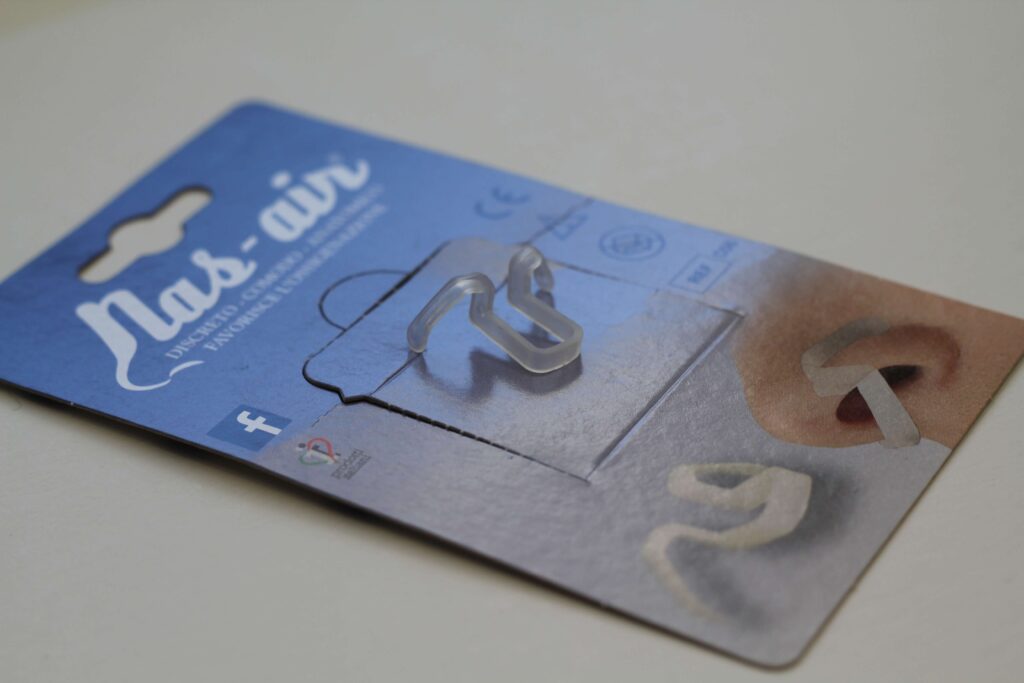
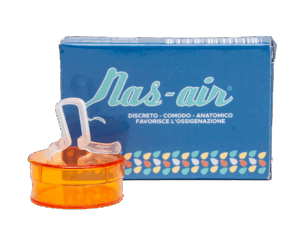
According to a recently published scientific study, thenasal dilatoris the best device for avoiding surgery in most snorers; over 90% of people experience improved sleep quality and reduced snoring. This is because the nasal dilator is designed to be anatomical andimprove the wearer'sbreathing: once inserted into the nostrils, the device promotes breathing by increasing the level of oxygen inhaled, relieving shortness of breath and reducing cardiac fatigue. It also combats sleep disorders such as sleep apnea and snoring, improves daytime concentration and performance during sports and singing activities.
5. Use a fan

A studyhas found that a portable fan directed at the face reduces the feeling of breathlessness. Feeling the pressure of the air causes the sensation of breathing in more air. However, the study states that in cases of underlying medical conditions, it does not actually improve breathlessness.
6. Steam inhalations
Steam inhalation can help clear the nasal passages and thus improve breathing. In some cases, the heat and moisture from the steam can even loosen mucus in the lungs.
Here are the instructions:
- fill a basin with very hot water
- add a few drops of mint
- place a towel on your head and put your head on the basin
- Breathe in deeply and inhale the vapor.
It is advisable to cool the water slightly if it has been brought to a boil, as the steam could cause skin burns.
7. Coffee (in small doses)

Drinking black coffee in small doses can help reduce shortness of breath because caffeine is a mild bronchodilator and also reduces fatigue in the muscles of the respiratory tract.
Some research has found that the effects of caffeine can improve the respiratory function of people with asthma, allowing them to breathe in more air.
You may be interested in:
- Nasal irrigation for young children: how and when to do it (VIDEO)
- Empty Nose Syndrome: causes, symptoms, and treatments
- Stuffy nose: the best natural remedies for nasal congestion
What causes shortness of breath?
Some people experience shortness of breath for short periods of time, while others experience it chronically. It can be caused by common factors or it can be a symptom of a more serious illness. Sudden shortness of breath may even require emergency treatment.
Common causes
Sporadic shortness of breath can be caused by:
- overweight or obesity
- smoke
- allergens and pollutants in the air
- extreme temperatures
- excessive physical exertion
- anxiety
Hidden diseases
Chronic shortness of breath can be caused by serious heart or lung conditions. These organs help transport oxygen throughout the body and remove carbon dioxide, so if they malfunction, it can affect breathing.
The underlying causes of chronic shortness of breath may include:
- asthma
- anemia
- chronic obstructive pulmonary disease (abbreviation: COPD)
- cardiac abnormalities
- lung cancer
- lung diseases, such as pleurisy or tuberculosis.
Acute causes
Some of the causes of acute or sudden shortness of breath that require emergency intervention are:
- severe allergic reaction
- suffocation
- cardiac arrest
- enlarged heart
- blood clots in the lungs
- pneumonia
- carbon monoxide poisoning
- foreign object inhaled into the lungs
Lifestyle changes that can help
Depending on the cause of the shortness of breath, it may be necessary to modify your lifestyle to alleviate or eliminate the symptom. Walks outside the city and physical exercise can already be of great help.
Here are some suggestions:
- lose weight, if obesity is linked to respiratory problems
- exercise
- avoid physical exercise during hot weather or at high altitudes
- quit smoking and avoid secondhand smoke
- avoid allergens and pollutants
- follow the prescribed treatments for underlying diseases
When should you consult your doctor?
Some people suffer from shortness of breath on a regular basis, and in this case, the causes can only be identified by a specialist. If your doctor has already identified the causes, you can start with one of the methods described above.
Only a doctor can provide a correct and comprehensive diagnosis, and if you experience shortness of breath for the first time, it is advisable to consult your doctor.
In sudden and severe cases of shortness of breath or chest pain and tightness, you must go to an emergency room immediately.
Translated into Italian by the author
Source: Medical News Today