Deviated septum: causes, symptoms, and treatments
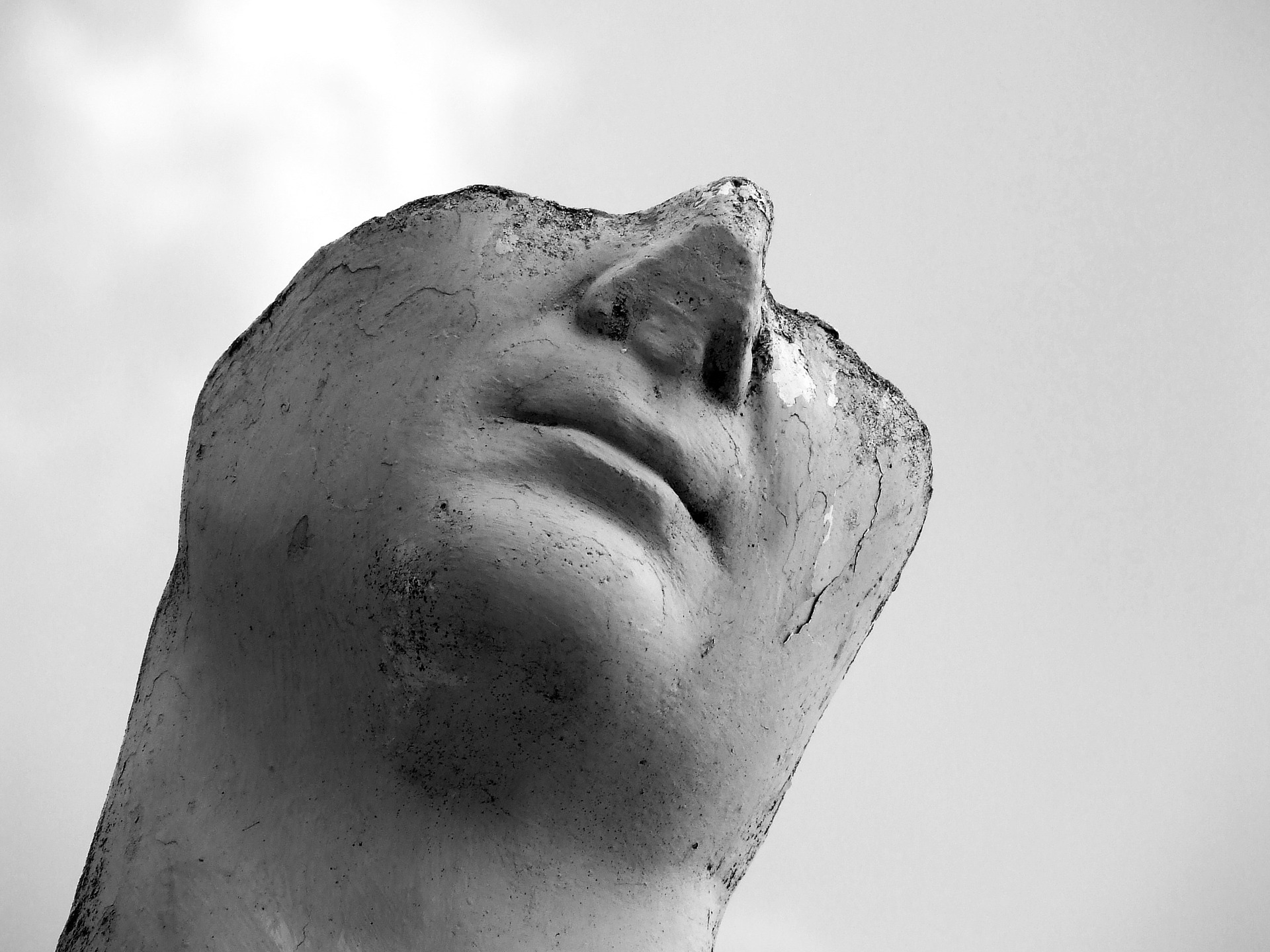
A deviated septum refers to a displacement of the thin wall separating the nasal cavity. It is estimated that80% of the populationis affected by some form of septal deviation, but it is usually considered pathological only in cases of more severe deviation; consequently, the actual estimates are much lower. When symptoms interfere with breathing, anti-inflammatory drugs or surgery are used.
In this article:
- 1. What is a deviated septum?
- 2. Causes
- 3. Symptoms and complications
- 4. Diagnosis
- 5. Therapy
1. What is a deviated septum?
The nasal septum is a wall of cartilage and connective tissue that separates the nasal passages; the latter are covered by mucous membranes.
When the nasal septum is significantly shifted to one side, one nasal passage is wider than the other. Depending on the severity of this difference, nasal obstruction, breathing problems, and decreased airflow may occur. A misaligned septum can also interfere with nasal drainage, leading to increased infections and dripping.
2. Causes
Although some cases of septal deviation are genetic or hereditary in nature, the disorder can also arise as a result of trauma and injury.
A deviated septum can develop during the embryonic stage, while the fetus is still in the placenta, or during childbirth. A study conducted in India in 2012 found that neonatal septal deviation affects 20% of newborns; these cases are attributable to difficulties during childbirth and occur in cases of larger newborns or during problematic deliveries.
Congenital septal deviations are usually S- or C-shaped, are often uniform, and are mostly found in the anterior portion of the nose. The severity of the deviation may increase or change naturally with growth.
In other stages of life, septal deviations caused by trauma or injury tend to have sharp angles and irregular shapes, affect all areas of the septum equally, and may include portions of fractured or dislocated cartilage.
-
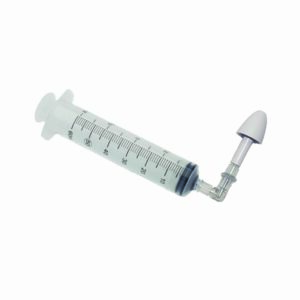 Nasir Rapid - Rapid Nasal Irrigation€25.90 (VAT included)
 -
Product on sale
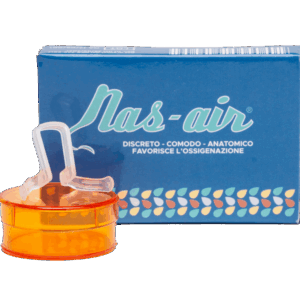 Nas-Air - Nasal DilatorPrice range: from €9.80 to €19.30 VAT included
 -
 Nasir Nasal Shower - Isotonic 250 mlFascia di prezzo: da €27.90 a €130.00 VAT included
3. Symptoms and Complications
The most common symptoms of a deviated septum are: difficulty breathing, recurrent sinusitis, infections or inflammation of the nasal mucous membranes. These symptoms are sometimes confused with respiratory infections, the common cold or allergies; those affected by mild deviations of the septum may only notice these symptoms in such cases.
Other symptoms associated with septal deviation may include:
- nasal obstruction, often more severe on one side only
- nasal congestion
- recurrent sinusitis
- drug-resistant sinusitis
- frequent nosebleeds
- dryness and crusting in the larger nostril, caused by increased airflow drying out the mucous membranes
- noisy breathing during sleep
- facial pain
- dripping
- headache
- snoring
- whistling during inhalation or exhalation
- tendency to sleep on one side, often the side opposite to the blocked nasal passage
- In severe cases, sleep apnea
Cases of significant deformity can have even more serious effects on newborns due to smaller airways and predominantly nasal breathing. Complications in these cases can potentially be fatal.
It is advisable to consult your doctor if breathing becomes difficult or laborious, or if you experience dizziness or lightheadedness.
4. Diagnosis
There are many other disorders that can cause similar symptoms, such as nasal polyposis, infections, or allergies, so a specialist consultation with an otolaryngologist (ENT) is typically necessary.
When the disorder is suspected, the doctor reviews the patient's medical history to look for possible causes, including injuries, surgeries, and chronic symptoms, and physically examines the nasal septum using a nasal speculum and a light source.
5. Therapy
If the symptoms of a deviated septum are not problematic or severe, treatment is not particularly complex. For less severe cases, there are both medical device therapies and drug therapies available.
The most common therapies include:
- steroidal nasal sprays to reduce inflammation
- nasal dilators
- decongestants
- nasal irrigation
- antihistamines
Those affected by persistent symptoms should also reduce their exposure to irritants, such as allergens, which increase the likelihood of symptoms appearing and worsening.
Septoplasty is the recommended surgical treatment for severe cases of septal deviation. It usually takes 1 to 2 hours under general or local anesthesia and does not cause any visible external changes to the nose. Once the anesthesia has worn off, most people can go home.
In more severe cases of septal deviation, the available treatments are often invasive and require nasal surgery in addition to septoplasty. In these cases, the affected area of the septum may also be removed, reshaped, and reinserted.
Most procedures are performed on patients over the age of 18, as during childhood and adolescence the septal cartilage is growing and constantly changing.
As with any surgical procedure, there are risks associated with septoplasty and other nasal surgeries, including anesthesia, bleeding, and infection.
Depending on certain factors, such as the patient's age and the severity of the deviation, repeated procedures or surgeries may be necessary. If the deviated septum is the first and only cause of breathing problems or sinusitis, symptoms usually improve or resolve immediately after septoplasty or surgery.
Translated into Italian by the author
Source:medicalnewstoday.com
-
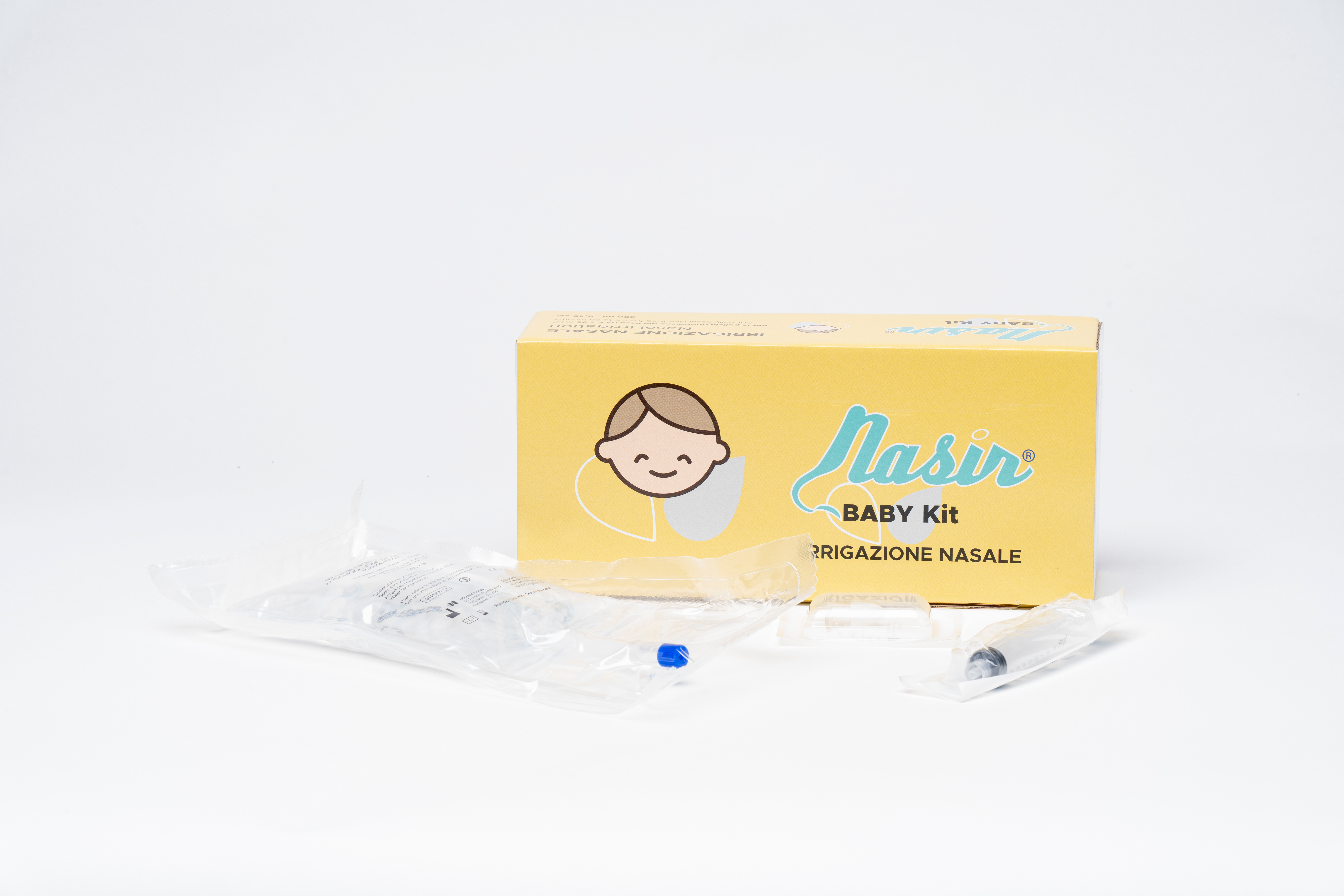 Nasir Baby - Nasal wash for baby and toddlerPrice range: from €10.80 to €19.90 VAT included
 -
Product on saleNas-Air - Nasal DilatorPrice range: from €9.80 to €19.30 VAT included
-
Nasir Nasal Shower - Isotonic 250 mlFascia di prezzo: da €27.90 a €130.00 VAT included